The Rise of Stovetop Grilling: How Indian Kitchens Are Bringing BBQ Indoors
Grilled and tandoor-style food — kebabs, tikka, chaap — has always been popular in Indian food culture, but the traditional ways of making it at home (charcoal grills, tandoors) need outdoor space or specialized equipment most apartments and urban homes simply don't have. Stovetop grilling setups are a direct response to that gap, and the pattern behind why they've caught on is worth understanding in more detail than just "it's convenient."
Ready to shop this guide?
Shop the Folding BBQ Stand with SkewersThe outdoor-space problem
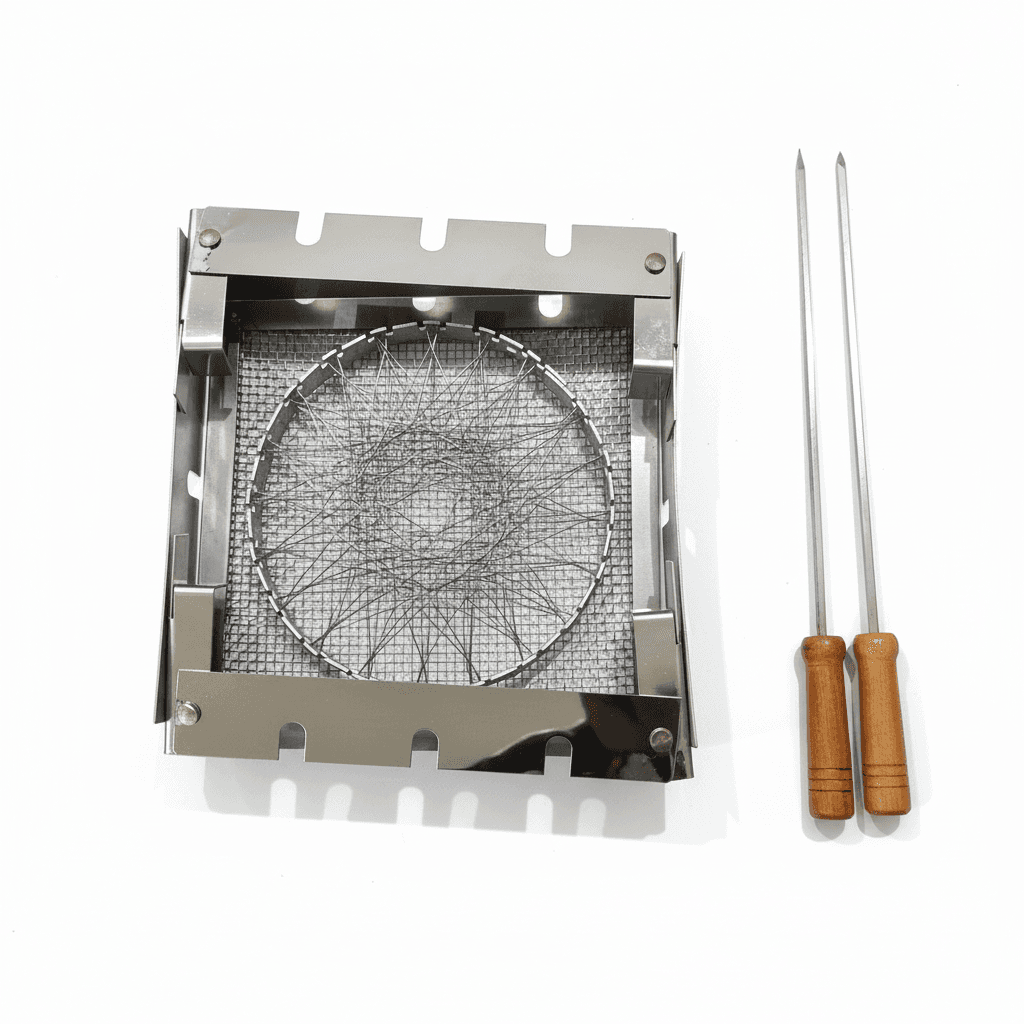
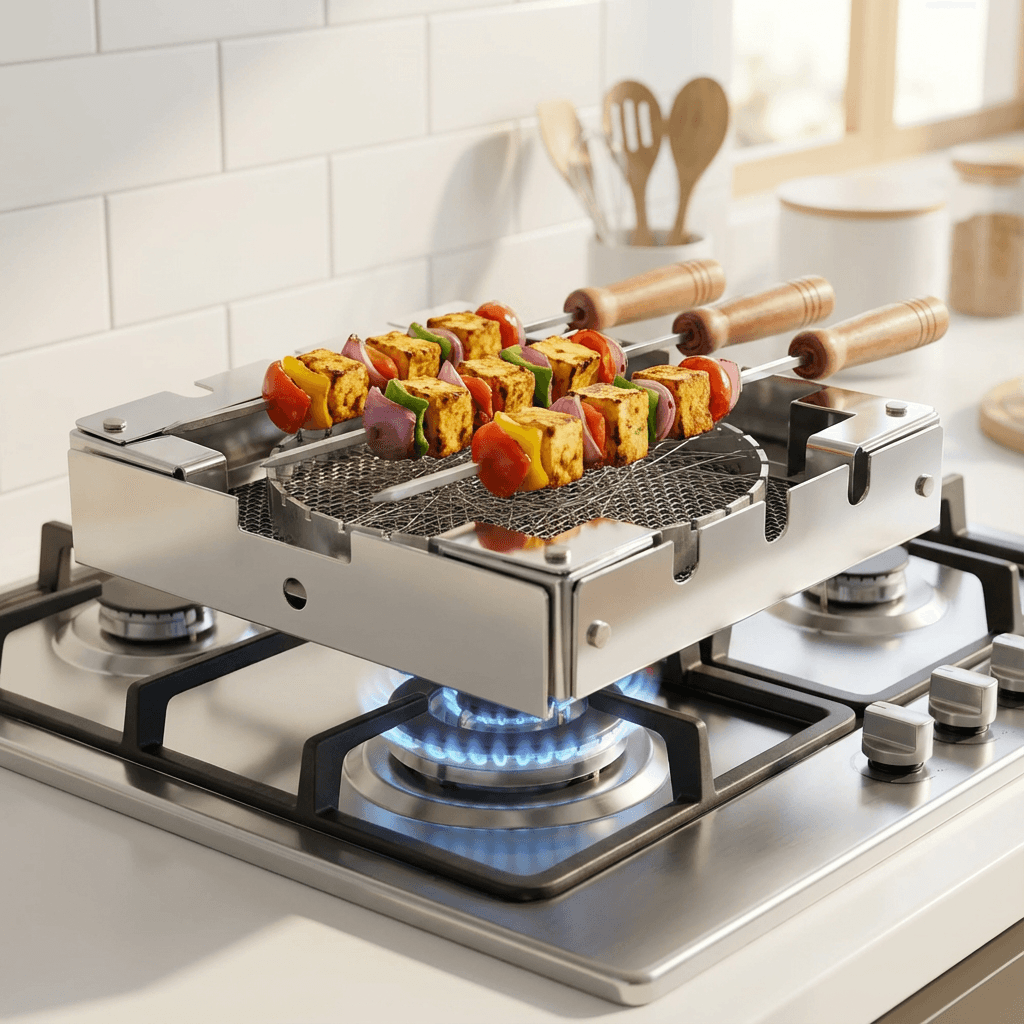
A charcoal grill genuinely needs outdoor or well-ventilated space — a balcony, terrace, or backyard — which rules it out for a large share of apartment living, particularly in dense urban housing where balconies are small, shared, or nonexistent. A folding stand like the Folding Stainless Steel Barbeque Stand sidesteps this entirely by working on a standard indoor gas burner, using the kitchen setup people already have rather than requiring new outdoor infrastructure, permissions from a housing society, or dedicated storage for charcoal and lighter fluid.
This matters more than it might initially seem, because outdoor space constraints have historically been the single biggest barrier stopping home cooks from grilling regularly. Removing that barrier doesn't just make grilling possible — it makes it a realistic weekday option rather than something reserved for the rare occasion when outdoor space and good weather line up.
Restaurant-style food, made accessible at home
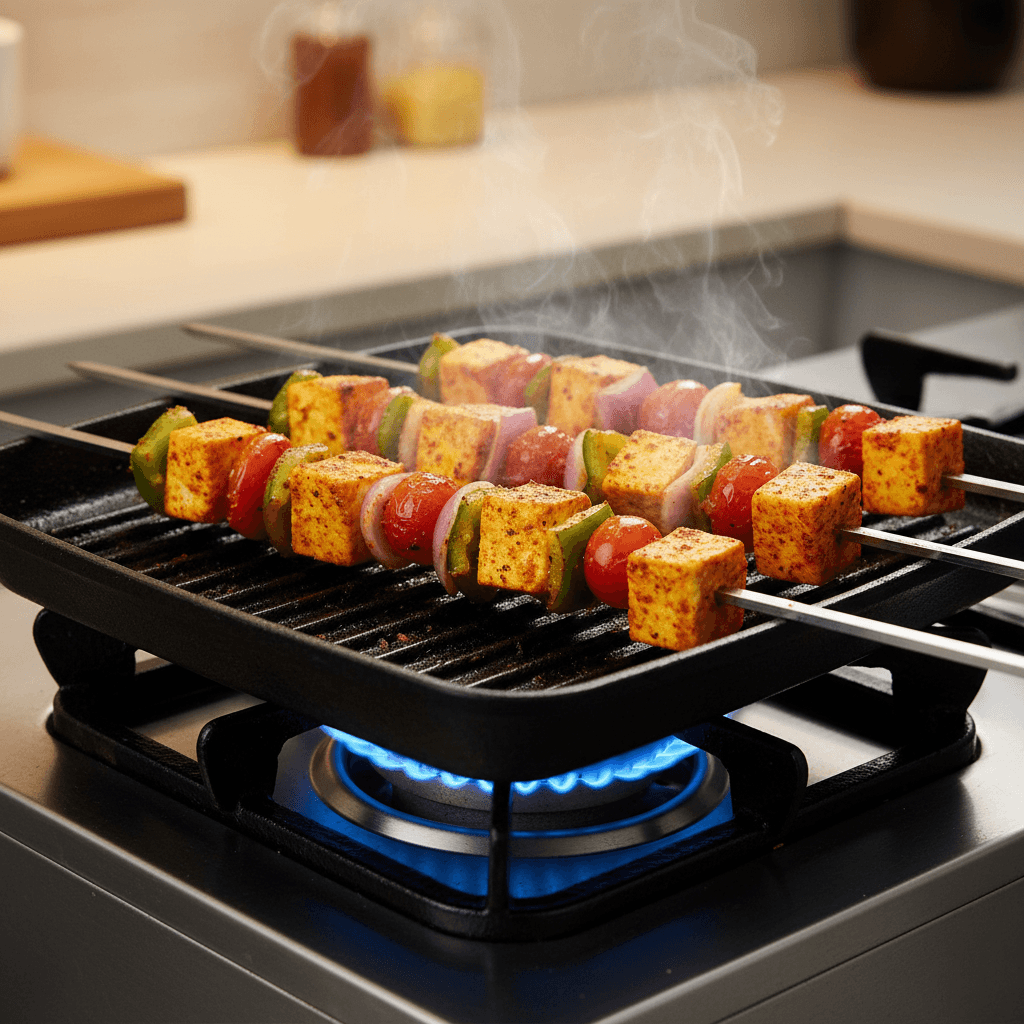
Paneer tikka, chicken tikka, and chaap have traditionally been "restaurant food" for a lot of home cooks, partly because a tandoor isn't practical to install at home — it needs specialized construction, dedicated fuel, and space that most kitchens simply don't have. A stovetop grill stand doesn't replicate a tandoor exactly, but it gets meaningfully closer to that grilled, charred result than a regular pan or tawa, which is a big part of why it's found an audience among people who want restaurant-style grilled dishes without the restaurant.
The gap between "cooked in a pan" and "grilled" is bigger than it sounds — a tawa sears food in full, flat contact with a hot surface, while a mesh grill surface exposes food to direct heat with airflow underneath and around it, which is what actually produces the char marks, smokier edge flavor, and slightly drier exterior texture people associate with "grilled" rather than "fried" or "pan-cooked" food.
A shift from special-occasion to everyday cooking
Historically, grilled food at home was reserved for special occasions — a family gathering, a festival, a rare weekend when someone had access to a terrace and charcoal. Because a folding stovetop stand sets up and packs away in under a minute, it's changed that pattern for a lot of households: grilling a small batch of paneer or vegetables alongside a regular weeknight dinner is now realistic in a way that lighting charcoal for a Tuesday meal never was.
This shift toward everyday use, rather than occasional use, is really the core of the trend — the appeal isn't just that indoor grilling is possible, but that it's now low-effort enough to become a routine part of how people cook rather than a special production reserved for guests.
What's driving continued interest
- Compact, folding designs that don't require dedicated storage space in already-tight kitchens.
- No dependency on outdoor space, weather, or housing society permissions for open flames or charcoal.
- A genuine texture and flavor improvement over pan-cooking for tikka-style dishes, without needing a tandoor.
- Lower smoke output than charcoal grilling, making it practical to use indoors regularly rather than occasionally.
- Compatibility with both vegetarian and non-vegetarian cooking on the same basic setup.
Where this trend is likely headed
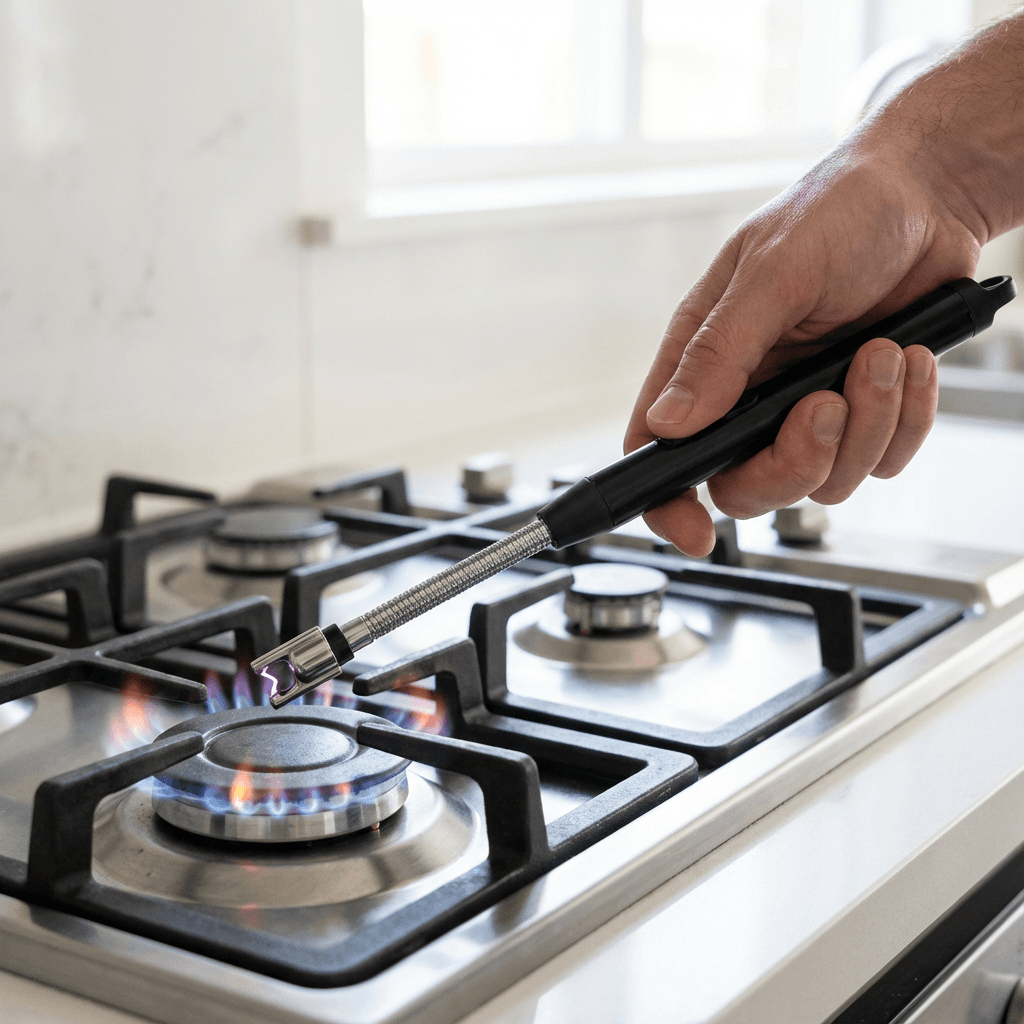
As more households treat grilling as a regular cooking method rather than an occasional novelty, the accessories around it — better skewer designs, more reliable ignition tools like the Electric Arc BBQ Lighter — tend to see more attention too, since the core setup becomes something people actually invest in improving over time rather than something bought once and rarely used. That's a reasonable signal that indoor stovetop grilling in Indian kitchens is moving from a passing convenience to a fairly established part of how a segment of home cooks now approach mid-week meals, not just festive or celebratory ones.