A Beginner's Guide to Grilling at Home on a Gas Stove
If you've never grilled at home before, the idea can feel more complicated than it actually is. A stovetop BBQ stand simplifies most of what makes outdoor charcoal grilling intimidating — no charcoal to light, no heat to estimate by feel, just your existing gas stove. Here's a simple first-timer's walkthrough.
Ready to shop this guide?
Shop the Folding BBQ Stand with SkewersWhat you need to get started
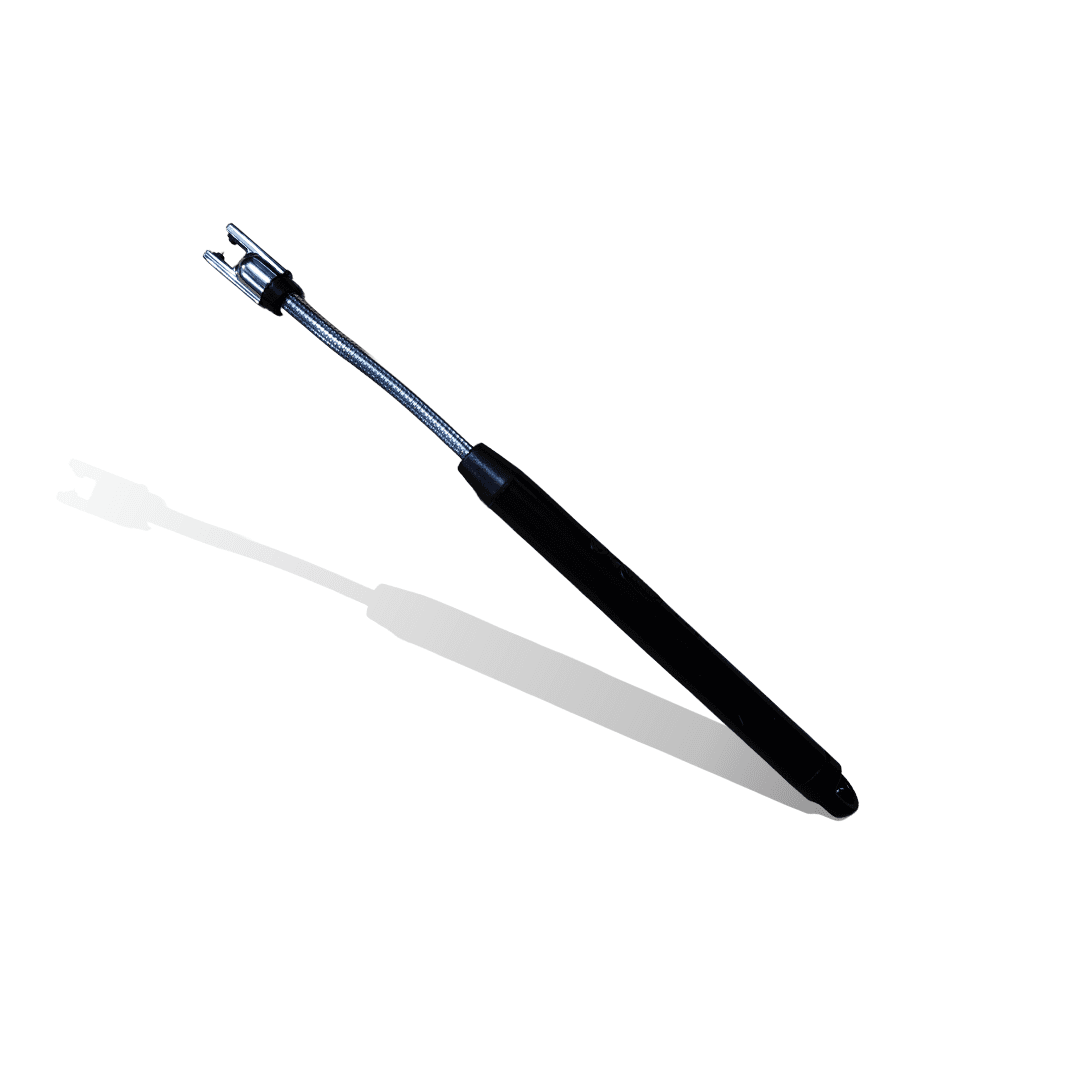
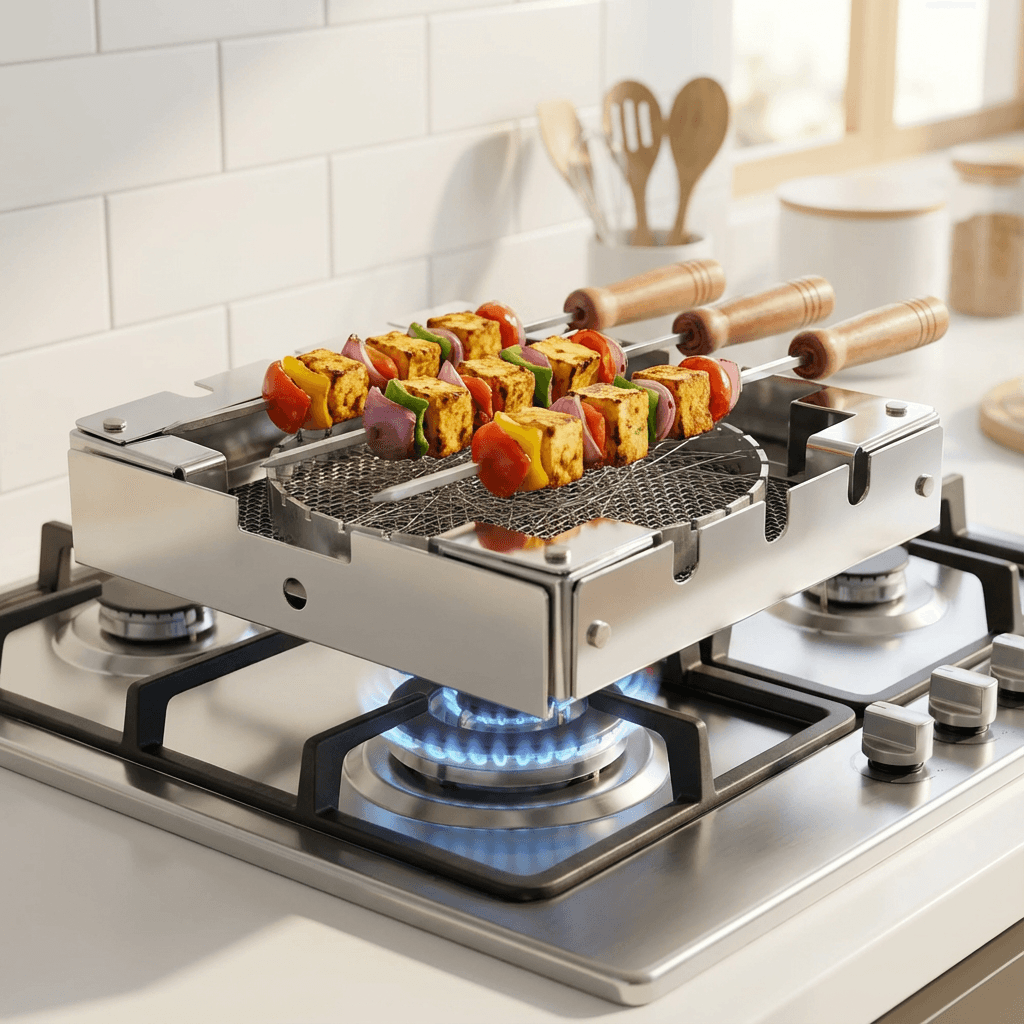
The core setup is the Folding Stainless Steel Barbeque Stand with Skewers, which includes skewers to begin with. Add the Electric Arc BBQ Lighter if you don't already have a reliable way to light your gas burner — it's a small addition that removes one common first-timer frustration.
Your first grilling session, step by step
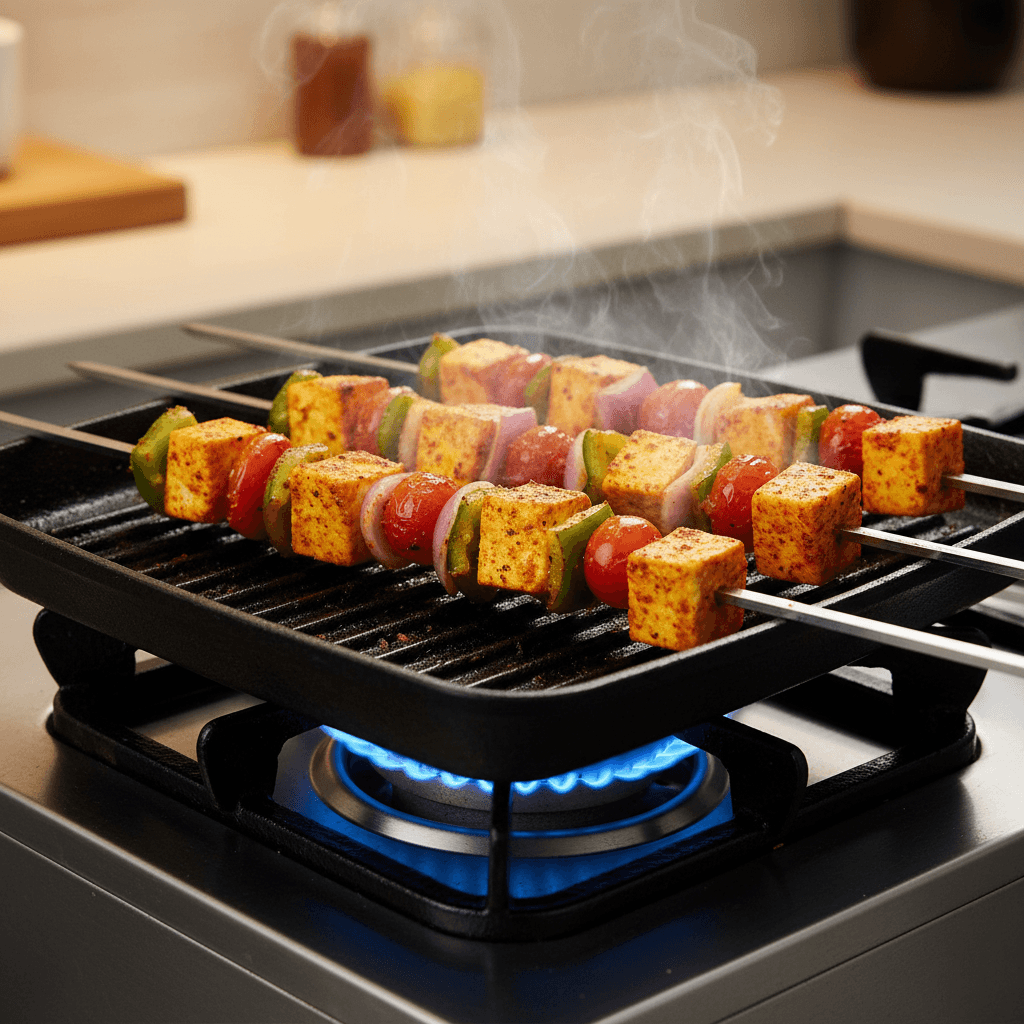
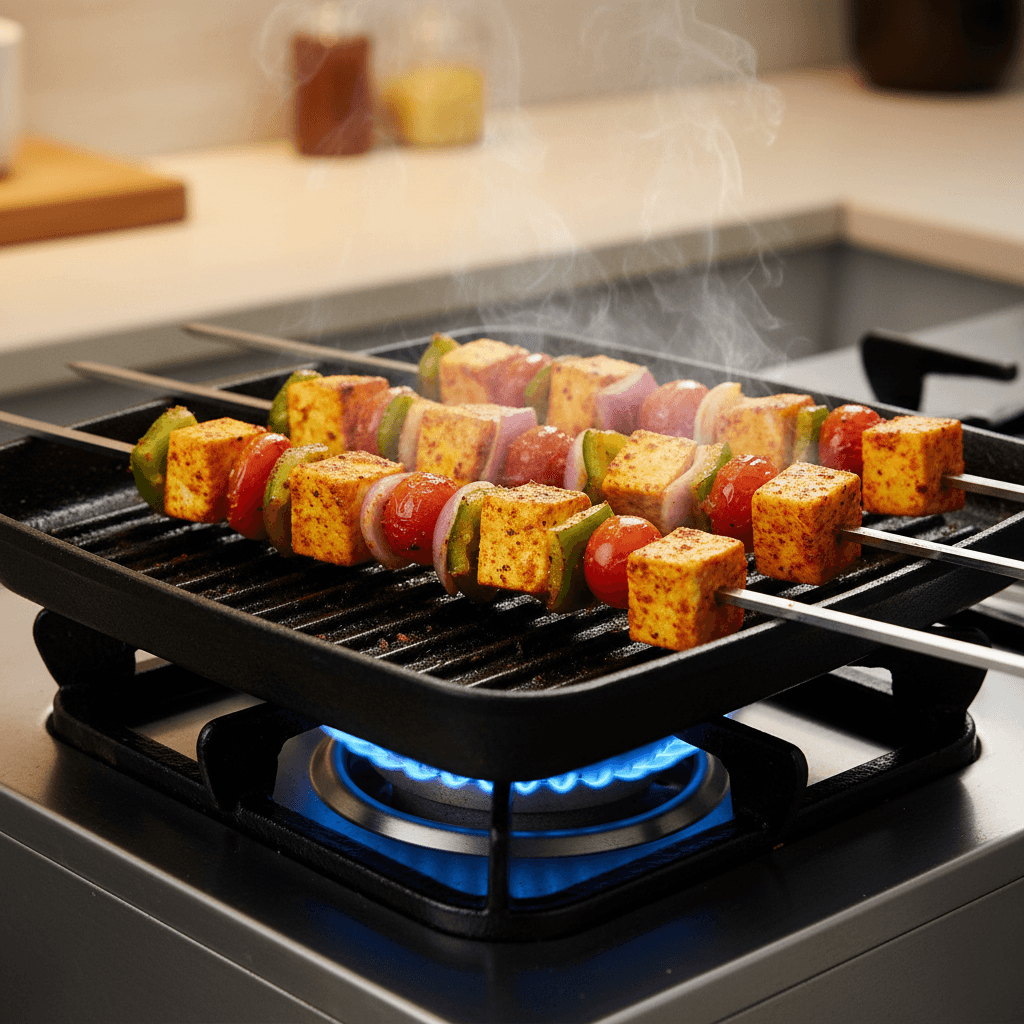
Unfold the stand fully and position it over a standard gas burner, checking that it sits stable and level. Light the burner on a low-to-medium flame and let the mesh surface heat for a minute or two before adding anything. For a first attempt, paneer tikka is a forgiving choice — it grills relatively quickly and is easy to judge visually when it's done.
Thread paneer cubes onto the flat-blade skewers with small gaps between pieces, place them on the heated stand, and turn every couple of minutes rather than constantly — you're aiming for light char on each side, not a fully blackened surface.
What to expect the first time
It's normal for a first attempt to be slightly uneven — a few pieces charring faster than others is common until you get a feel for your specific stove's flame and how the mesh distributes heat. This improves quickly with a session or two of practice, and it's a much lower-stakes learning curve than outdoor charcoal grilling, where mistakes are harder to correct mid-cook.
Beginner tips to avoid the most common early mistakes
- Preheat the stand for a minute or two before adding food — this alone prevents most sticking issues.
- Don't overcrowd the skewers — leave small gaps so heat reaches all sides evenly.
- Start with a low-to-medium flame rather than high, and adjust up only if needed.
- Use flat-blade skewers rather than round ones, so food doesn't spin when you turn it.
Moving beyond your first session
Once paneer tikka feels comfortable, roasted vegetables are a natural next step — capsicum, mushrooms and zucchini grill quickly and are even more forgiving than paneer, since there's no risk of drying out the way paneer can if left too long. From there, most beginners move on to marinated meats or a full mixed skewer of vegetables and paneer together, applying the same preheat-and-turn rhythm learned in the first session.
It's worth keeping a mental note of what worked and what didn't after each early session — how long your specific stove took to preheat the mesh, how your flame setting affected char speed — since this personal calibration matters more than any general rule, and it only takes a few sessions to build genuine confidence with the setup.
Common first-timer worries, addressed
A lot of first-time grillers worry about setting off a smoke alarm or making a mess of the kitchen, and both concerns are generally smaller in practice than expected. Stovetop grilling produces noticeably less smoke than outdoor charcoal grilling, and running an exhaust fan during the session keeps things comfortable. As for mess, most of it stays contained to the stand and skewers themselves, with a straightforward wipe-down once everything has cooled.
Cleaning up after your first session
Let the stand cool fully before touching it — stainless steel holds heat longer than it looks like it would. Once cool, a wipe-down and rinse is typically all that's needed, followed by folding it flat for storage. Getting into this habit from your very first session sets you up well for keeping the stand in good condition long-term.