A Beginner's Guide to Manual Kitchen Tools for Your First Kitchen
Setting up a kitchen for the first time — moving out on your own, starting a new household — comes with a temptation to buy everything at once. A simpler approach is to start with a small set of genuinely versatile tools, learn how you actually cook, and add specialty tools once you know your real patterns.
Ready to shop this guide?
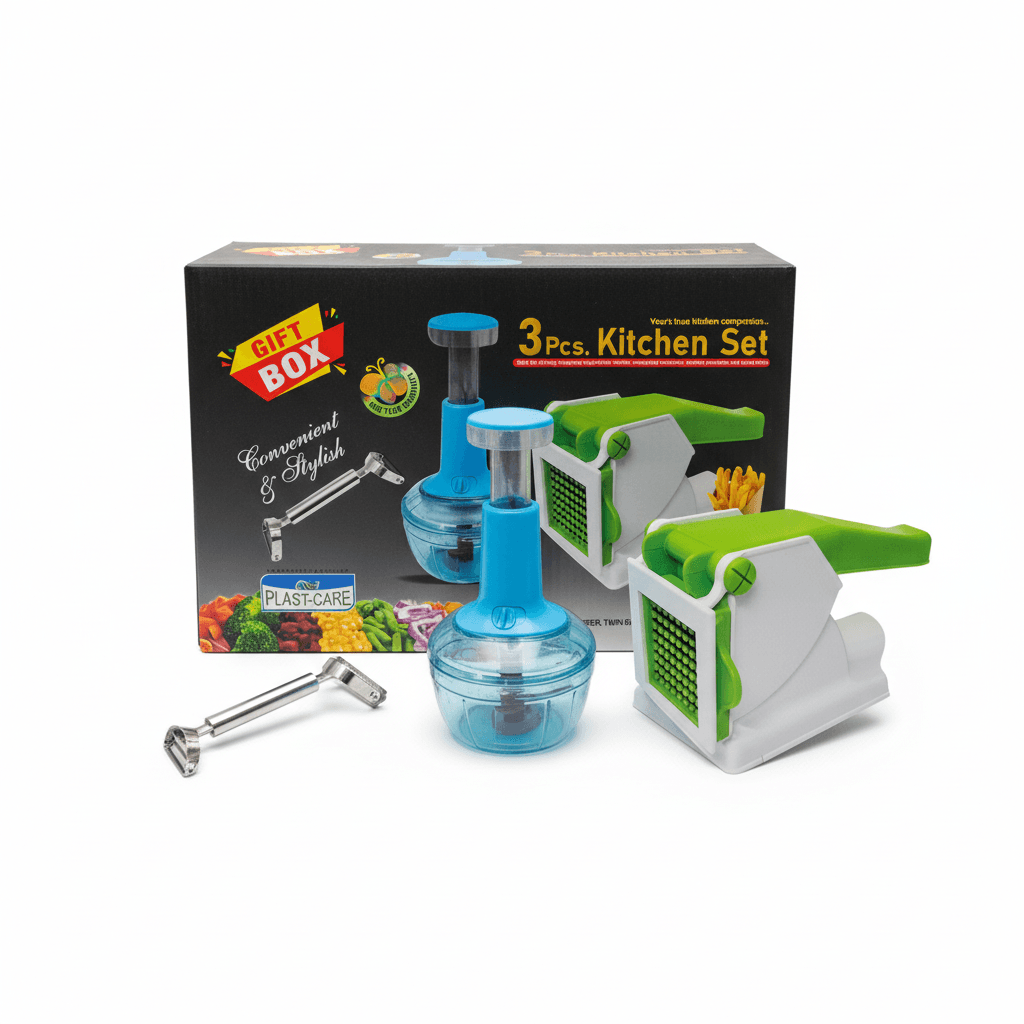
Shop the 3 Pcs Manual Kitchen Tool SetStart here: one combo set covers the basics
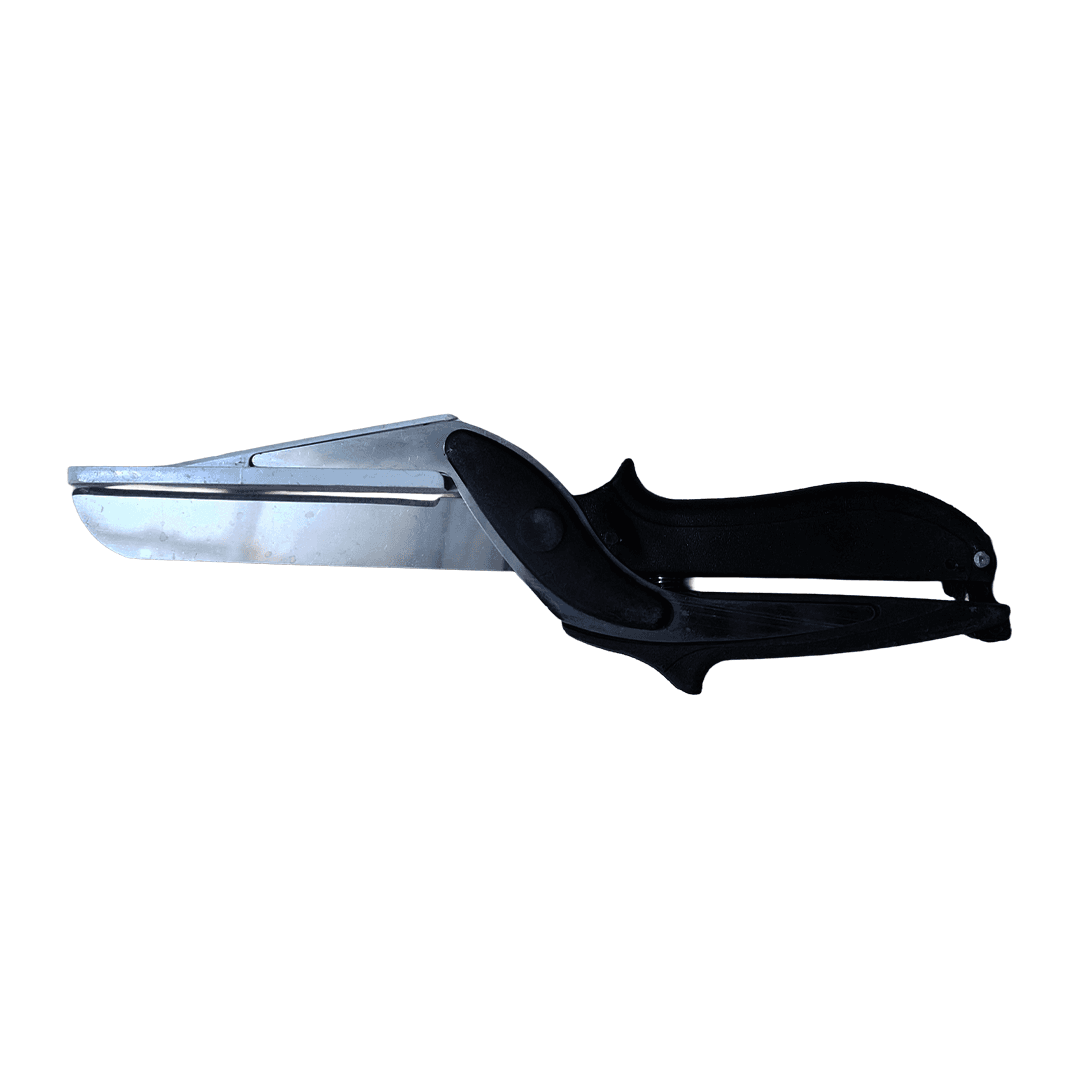
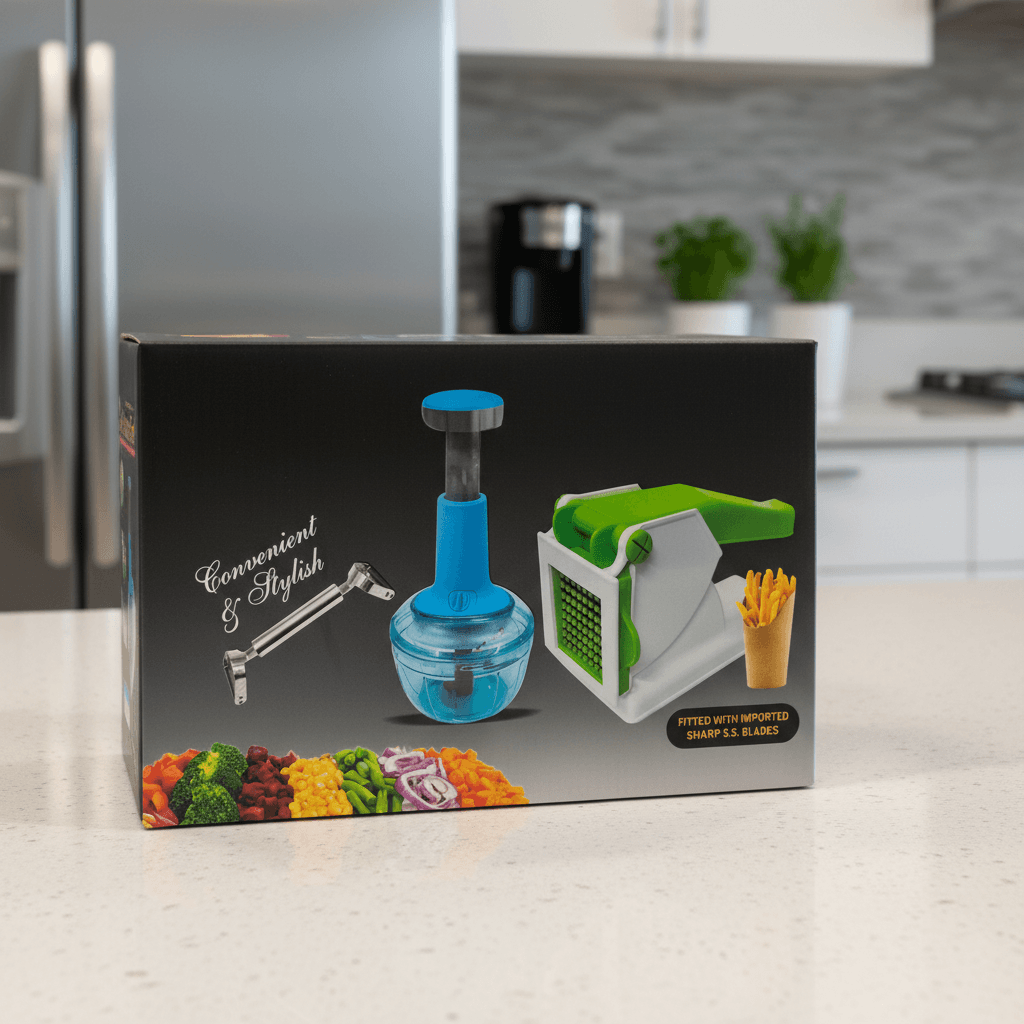
The 3 Pcs Manual Kitchen Tool Set is a sensible first purchase precisely because it's not one narrow tool — it bundles a push chopper, a hand-operated cutter, and a peeler, covering the three most common everyday prep tasks (chopping, cutting, peeling) in a single purchase. For a first kitchen, this removes the need to make three separate buying decisions before you've even learned your own cooking habits.
Learn the push chopper first — it's the most-used tool
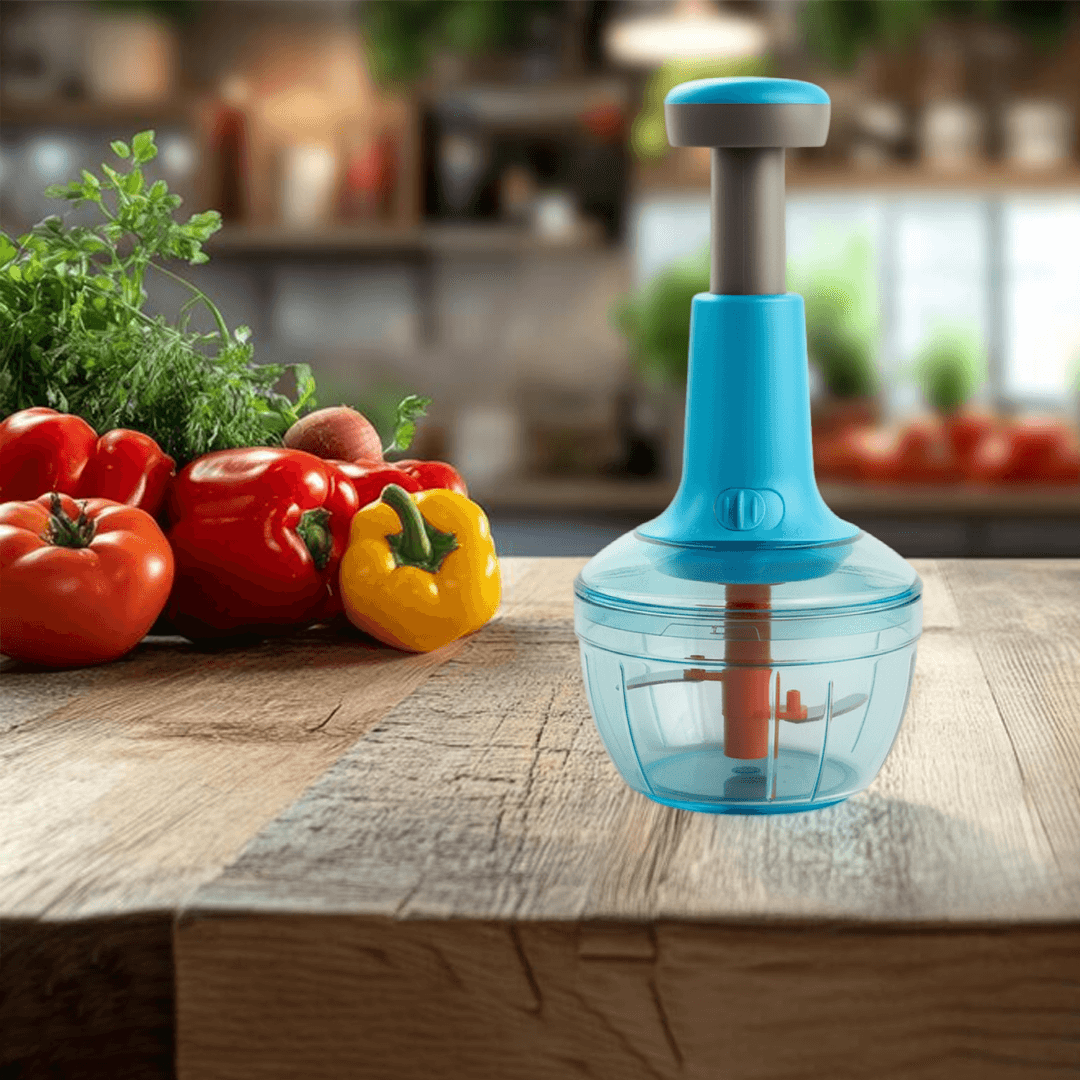
If you're new to manual kitchen tools, the push chopper is worth understanding well before anything else, simply because chopped onion and tomato is the starting point for most Indian cooking. Its vertical push mechanism is genuinely simple to learn — press down, watch the transparent container to judge chop size, and repeat until you're at the texture you want.
Add a peeler you actually like using
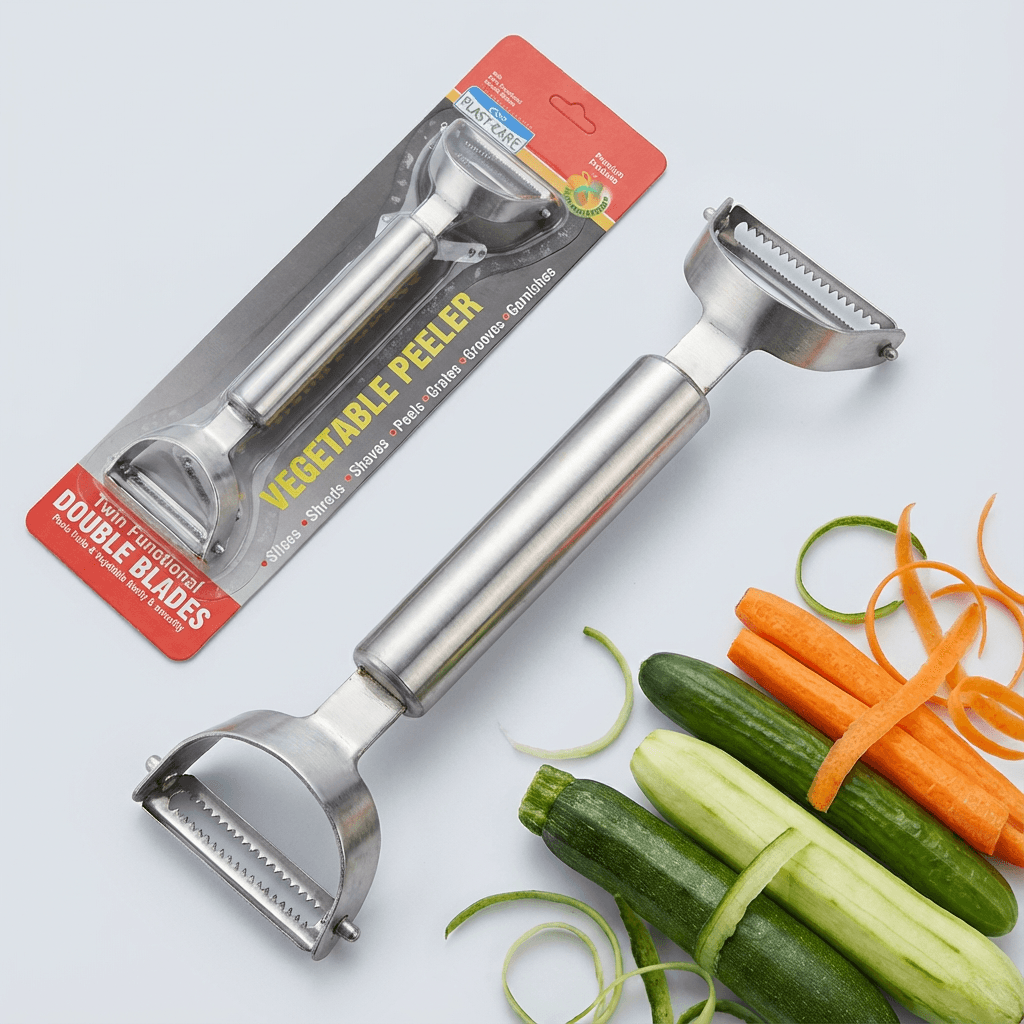
Peeling is a task that's easy to underestimate until you're doing it for a family meal rather than a single potato. The twin-blade design in the Multifunctional Stainless Steel Vegetable Peeler maintains contact with curved surfaces better than a basic single-blade peeler, which matters more the more you use it — a detail worth prioritizing even as a beginner, since a frustrating peeler gets avoided rather than reached for.
Build good habits from day one
A first kitchen is also the easiest time to build good tool habits, since you're not unlearning anything. Get into the routine of rinsing tools immediately after use rather than leaving them in the sink, disassembling anything with an enclosed blade before washing it, and drying everything fully before it goes back in a drawer. These habits cost almost no extra time in the moment but make a real difference in how long your first set of tools stays in good condition.
What to hold off on buying
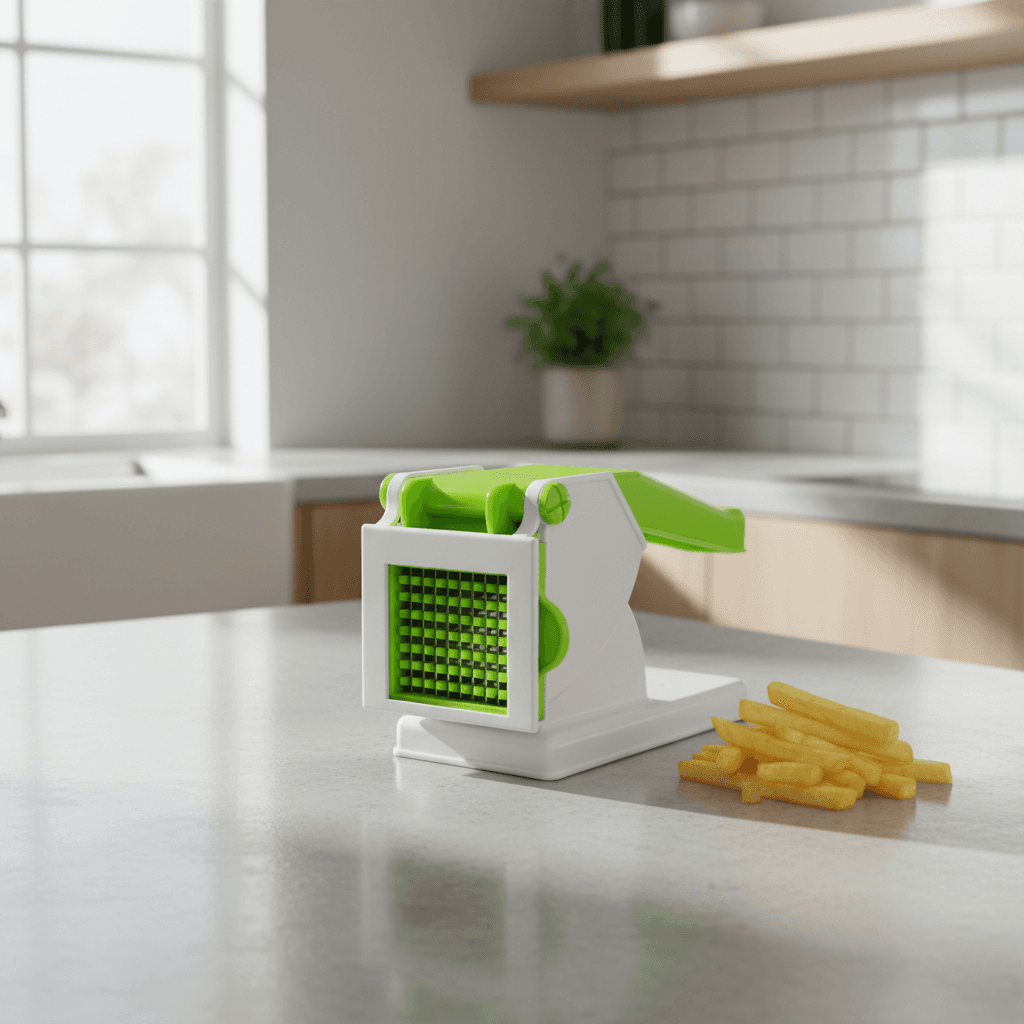
It's tempting to buy the full range on day one, but tools like the grid-blade potato cutter, the BBQ stand, or the hung curd maker are worth waiting on until you've identified a genuine recurring need for them. A first kitchen benefits more from mastering a small, versatile toolkit than from a large collection of specialty tools that mostly sit unused while you're still learning your own cooking patterns.
Learning to read your own cooking patterns
The most useful thing a beginner can do in the first month or two isn't buying more tools — it's paying attention to what you actually cook and how often. Keeping a loose mental note of which prep tasks come up repeatedly (chopping onions nightly, peeling potatoes twice a week, wanting fries you never quite get around to making) tells you far more about what to buy next than guessing based on what looks useful in a product listing.
This is really the core idea behind starting minimal: your second and third tool purchases should be responses to genuine, observed patterns in your own cooking, not upfront guesses made before you've cooked a single meal in your new kitchen.
A simple first-month plan
- Week 1: get comfortable with the push chopper on onions, tomatoes and other everyday vegetables.
- Week 2: incorporate the peeler into regular meal prep and get a feel for the twin-blade design.
- Week 3–4: notice which additional cut styles (slices, sticks, shreds) come up often in your actual cooking.
- After the first month: add one specialty tool based on what you've actually needed, rather than guessing upfront.