How to Clean and Store Your Sink Drainer Basket to Prevent Rust
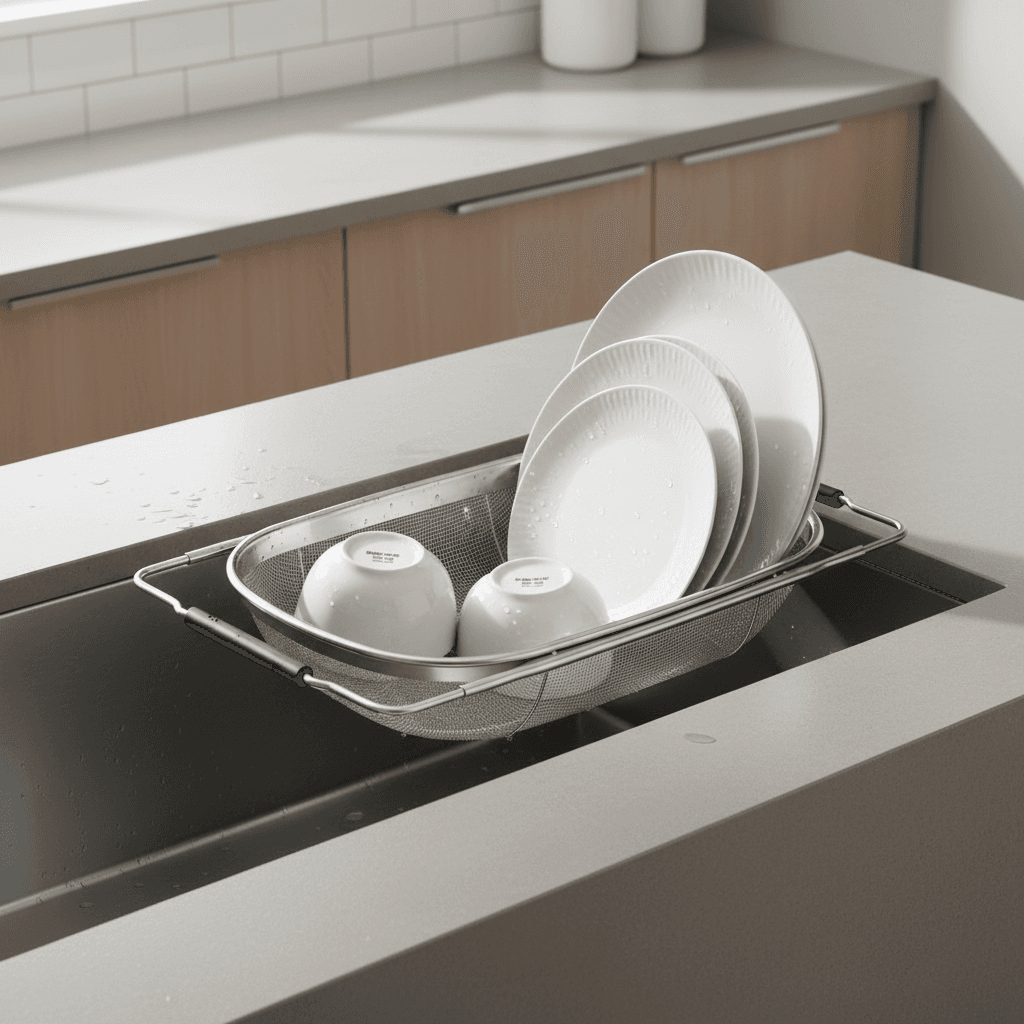
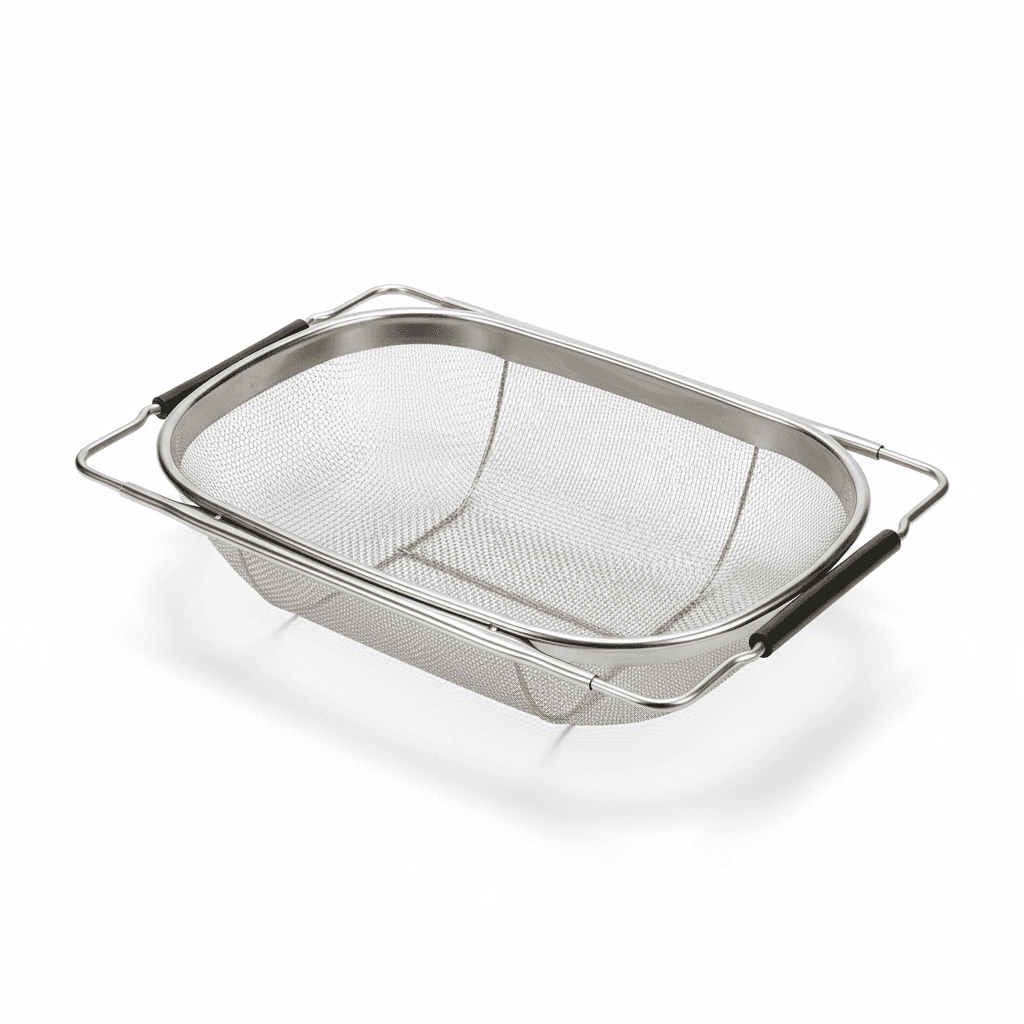
The Stainless Steel Sink Drainer Basket spends more time wet than almost any other tool in the kitchen, simply because of what it's used for — draining produce, dishes and utensils directly over the sink. That constant water exposure makes its cleaning routine genuinely more important than it is for tools used only briefly during cooking.
Ready to shop this guide?
Shop the Stainless Steel Sink Drainer BasketWhy this tool needs more frequent attention
Unlike a chopper or slicer that's used, washed, and put away dry, a sink drainer basket often sits in a damp environment for extended periods between uses — sometimes staying over the sink with residual moisture for hours. That prolonged dampness, especially if food particles are trapped in the fine mesh, is exactly the condition that leads to buildup, odor, and eventually the beginnings of corrosion even on rust-resistant stainless steel.
Daily habit: rinse and shake dry
After each use, give the mesh a thorough rinse to clear out any trapped food particles, then shake off excess water rather than leaving it to sit wet in the sink. The fine mesh construction that keeps food particles from slipping through is the same feature that traps residue if it isn't rinsed clear promptly.
Weekly deep clean
Once a week (more often with heavy daily use), give the basket a proper scrub with mild dish soap and a soft brush, paying particular attention to the mesh weave where small particles collect. The heat-resistant side handles should also be wiped down, since hands touching them regularly can leave oil residue that attracts more grime over time.
After washing, dry the basket fully with a cloth rather than leaving it to air-dry back over the sink — the whole point of a deliberate dry-off is to break the cycle of constant dampness that causes most of this tool's wear.
Storage: give it a chance to actually dry out
- Don't leave the basket permanently positioned over a wet sink between uses if you can avoid it — let it dry somewhere with airflow instead.
- Store it on its side rather than flat where possible, so residual water doesn't pool in the mesh weave.
- If your kitchen is humid, an occasional full dry-out period (a day without use) helps prevent constant-moisture buildup.
- Check the expandable handle mechanism periodically for trapped moisture or residue that could affect its fit across the sink.
Signs it needs attention
A lingering odor from the basket even after a rinse is usually the first sign that trapped residue has built up in the mesh and needs a proper deep clean rather than another quick rinse. Any dulling or discoloration on the mesh is worth addressing promptly with a proper wash and full dry-out, since catching it early is far easier than dealing with more established buildup later.
Dealing with hard water deposits
In areas with hard water, mineral deposits can build up on the mesh over time, appearing as a whitish film that's separate from food residue. A brief soak in a mild vinegar solution, followed by a thorough rinse, typically dissolves these deposits more effectively than regular dish soap alone, which is worth trying periodically if you notice this kind of film developing.
Positioning it to dry faster between uses
Beyond just letting it dry, where you position the basket affects how quickly it actually does. Angling it slightly rather than laying it perfectly flat lets residual water run off toward one edge rather than pooling evenly across the mesh, which noticeably speeds up drying time between uses — a small positioning habit that compounds into meaningfully less standing moisture over a week of regular use.
Extending the expandable handle's lifespan
The expandable handle mechanism that lets the basket rest across different sink widths is worth checking periodically for smooth movement — residue or mineral buildup at the extension points can make it stiffer to adjust over time. A quick wipe-down of the handle mechanism during your weekly deep clean, in addition to the mesh itself, keeps this moving smoothly and extends the fit's reliability across different sink configurations.