7 Expert Tips for Faster Vegetable Prep with Manual Kitchen Tools
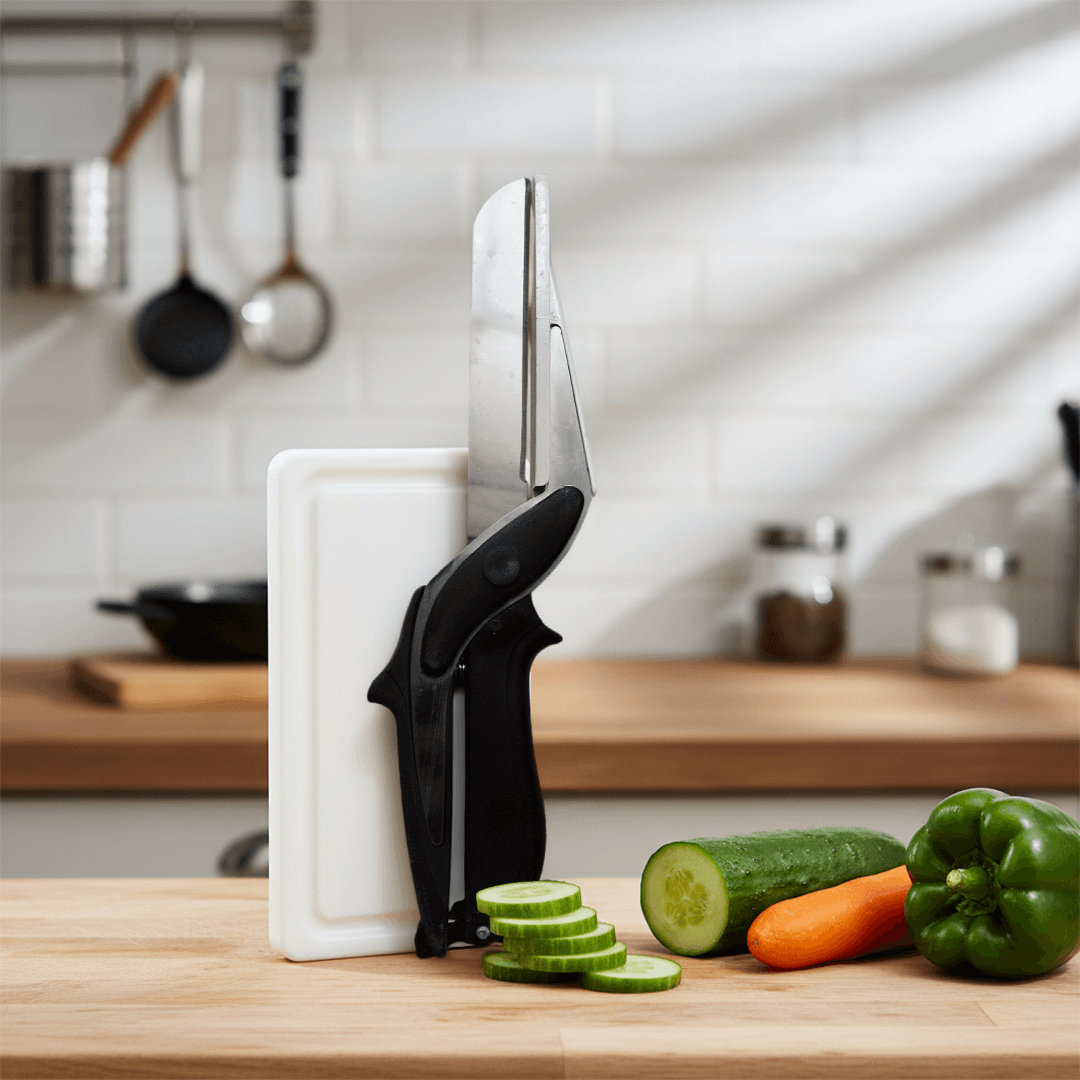
Manual kitchen tools have a reputation for being slower than electric equivalents, but in practice the gap is mostly about technique, not the tools themselves. Here are seven habits that make a real, noticeable difference in how fast you can move through daily vegetable prep with the tools already in PlastCare's range.
Ready to shop this guide?
Shop the Multipurpose Slicer with Julienne BladeTips 1–4: Working with choppers, cutters and slicers
The first habits to fix are usually around how vegetables are loaded and grouped, not the tool itself.
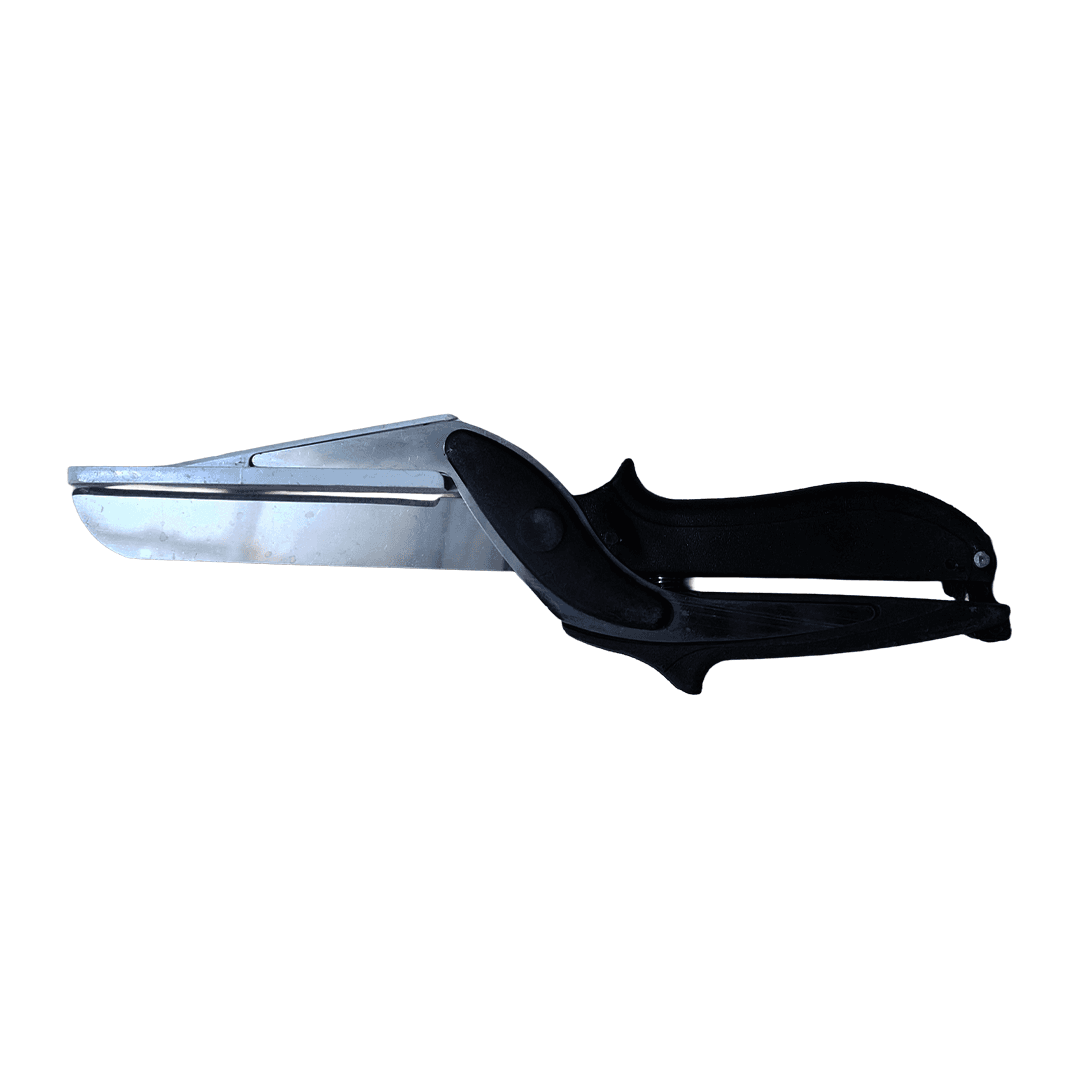
- Prep in batches by cut type, not by vegetable — dice everything that needs dicing in the push chopper first, then move to stick cuts in the grid cutter, then slices. Switching tools mid-task costs more time than switching vegetables.
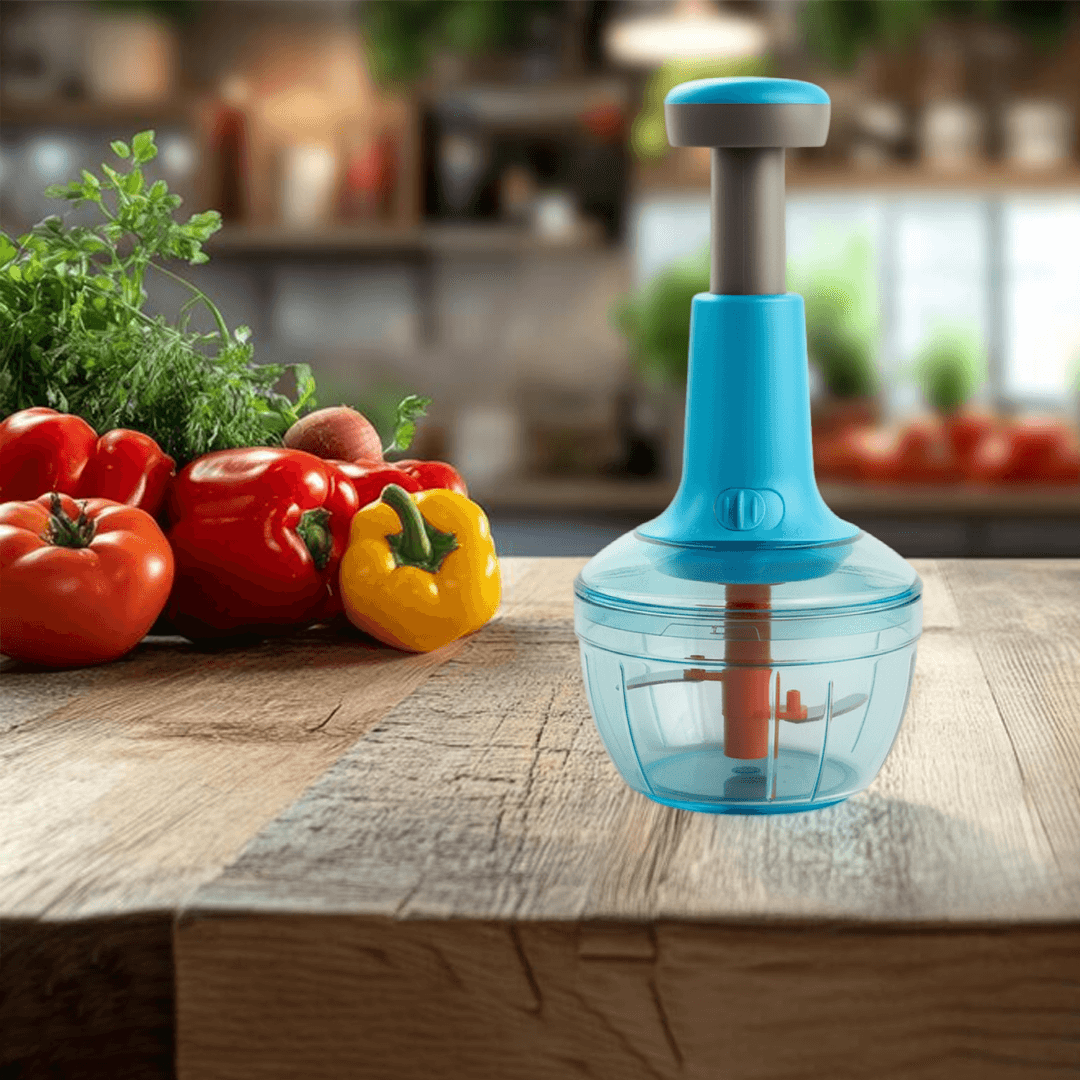
- Pre-cut into chopper-sized pieces before loading — roughly quartering an onion before it goes into the push chopper lets the blade process it more evenly in fewer presses than forcing a whole vegetable in at once.
- Keep the container empty enough to see what you're cutting — an overfilled chopper container makes it harder to judge chop size and often means re-processing pieces that were missed. Empty it a bit sooner rather than pushing capacity every time.
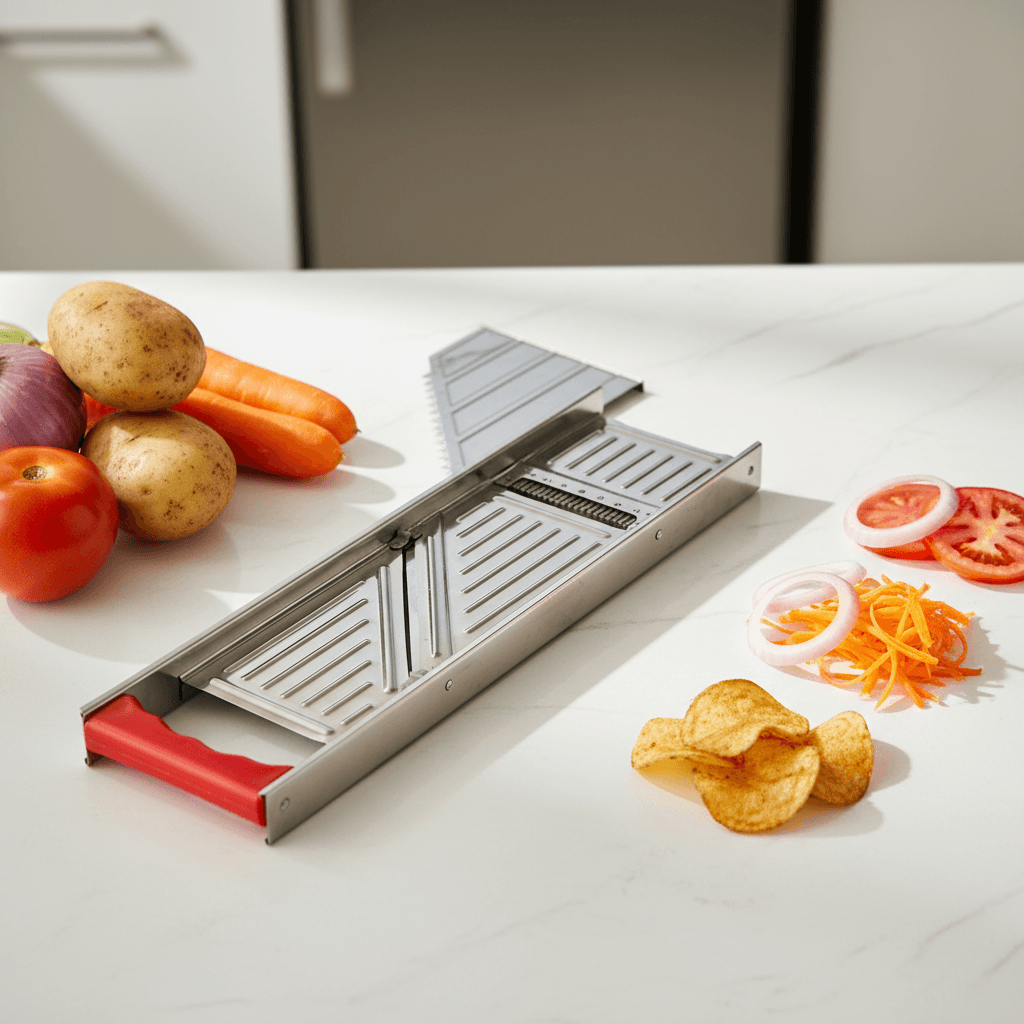
- Use the julienne blade proactively, not as an afterthought — if a recipe needs shredded vegetables, switching straight to the julienne setting on the Multipurpose Slicer from the start is faster than slicing first and then trying to cut slices into shreds by hand.
Tips 5–7: Setup and workflow habits
The last few tips are less about the tools and more about how your prep station is arranged before you start.
- Stage your tools before you start cooking, not mid-recipe — having the chopper, peeler and cutting board already out and rinsed saves the stop-start time of fetching and washing a tool partway through prep.
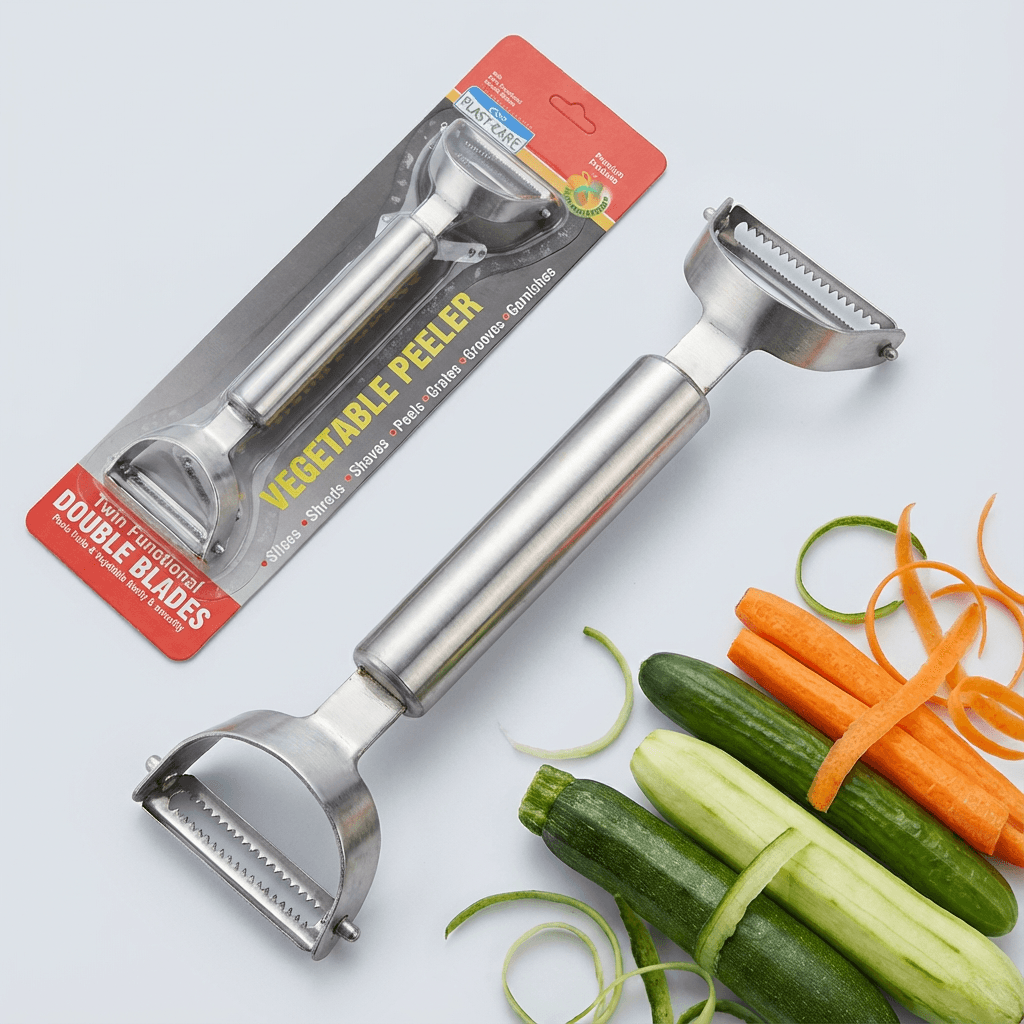
- Peel in bulk before switching tasks — using the twin-blade peeler to get through all vegetables needing peeling in one pass, before moving to chopping or slicing, avoids repeatedly switching grips between tools.
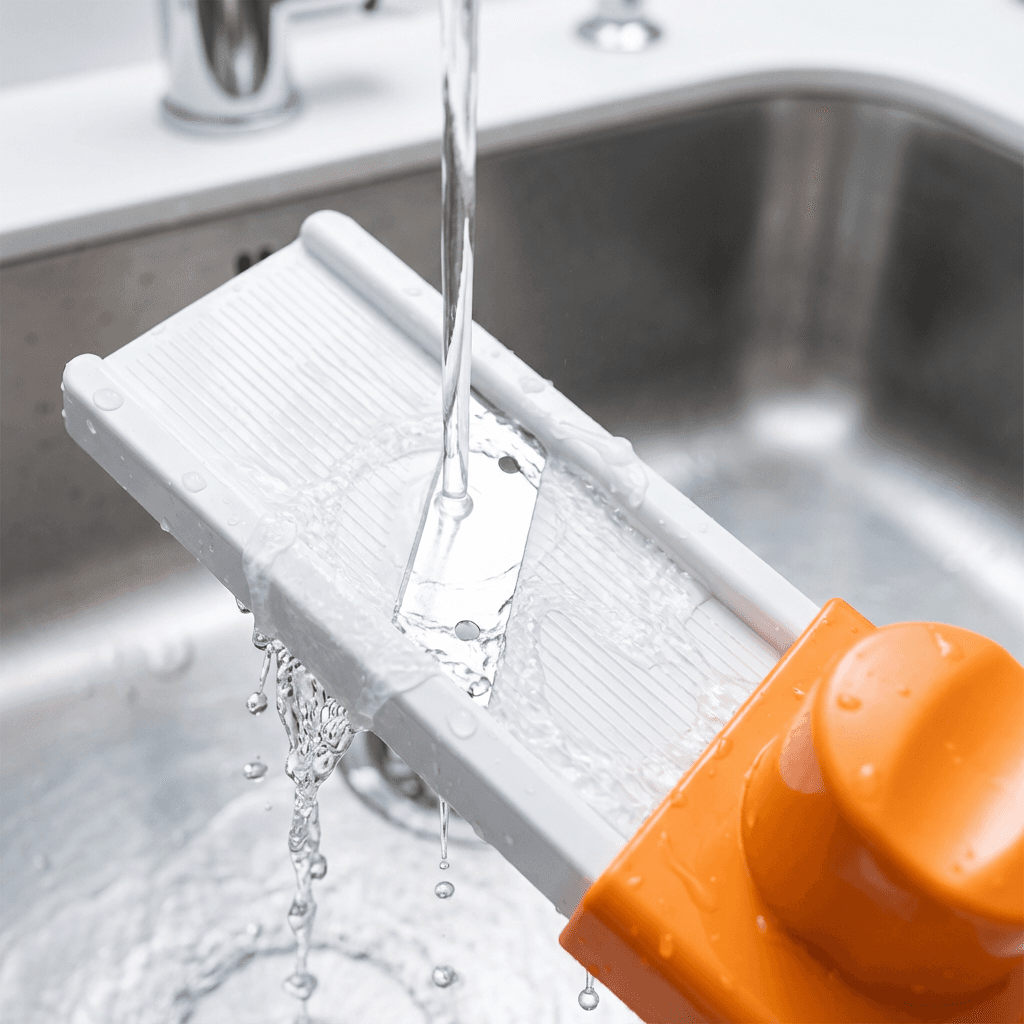
- Clean as you finish each tool, not all at once at the end — rinsing the chopper the moment you're done with it (while the cutting board is still in use for the next step) parallelizes cleanup instead of stacking it all at the end of prep.
Why batching matters more than most people expect
The time cost of switching between tools isn't just the physical act of putting one down and picking up another — it's the small mental reset that comes with it, re-establishing your grip, rhythm and attention each time. Across a full meal's worth of prep, those resets add up to more lost time than the actual cutting motions themselves in a lot of cases, which is exactly why batching by cut type rather than by vegetable produces such a noticeable improvement once you actually try it.
This is also why professional kitchens organize prep the same way — by task rather than by dish — since it's a genuinely more efficient way to move through a large volume of ingredients regardless of what tools are involved.
Putting it together: a sample weeknight prep routine
For a typical Indian dinner needing onion-tomato base, a vegetable side, and a salad, a batched routine looks like this: peel everything that needs peeling first with the twin-blade peeler, dice all the onions and tomatoes together in the push chopper next, then move to the slicer for salad vegetables, rinsing each tool the moment you're finished with it. This sequence, done a few times, becomes close to automatic — and it's the difference between vegetable prep feeling like a chore and feeling like a five-minute routine.