A Professional's Guide to High-Volume Vegetable Prep with Manual Tools
Prepping vegetables for a catered event, a large family gathering, or any occasion well beyond normal daily cooking calls for a different approach than reaching for one chopper and working through it. Here's a workflow built around using each manual tool for the specific job it does best, in a sequence that minimizes switching and downtime.
Ready to shop this guide?
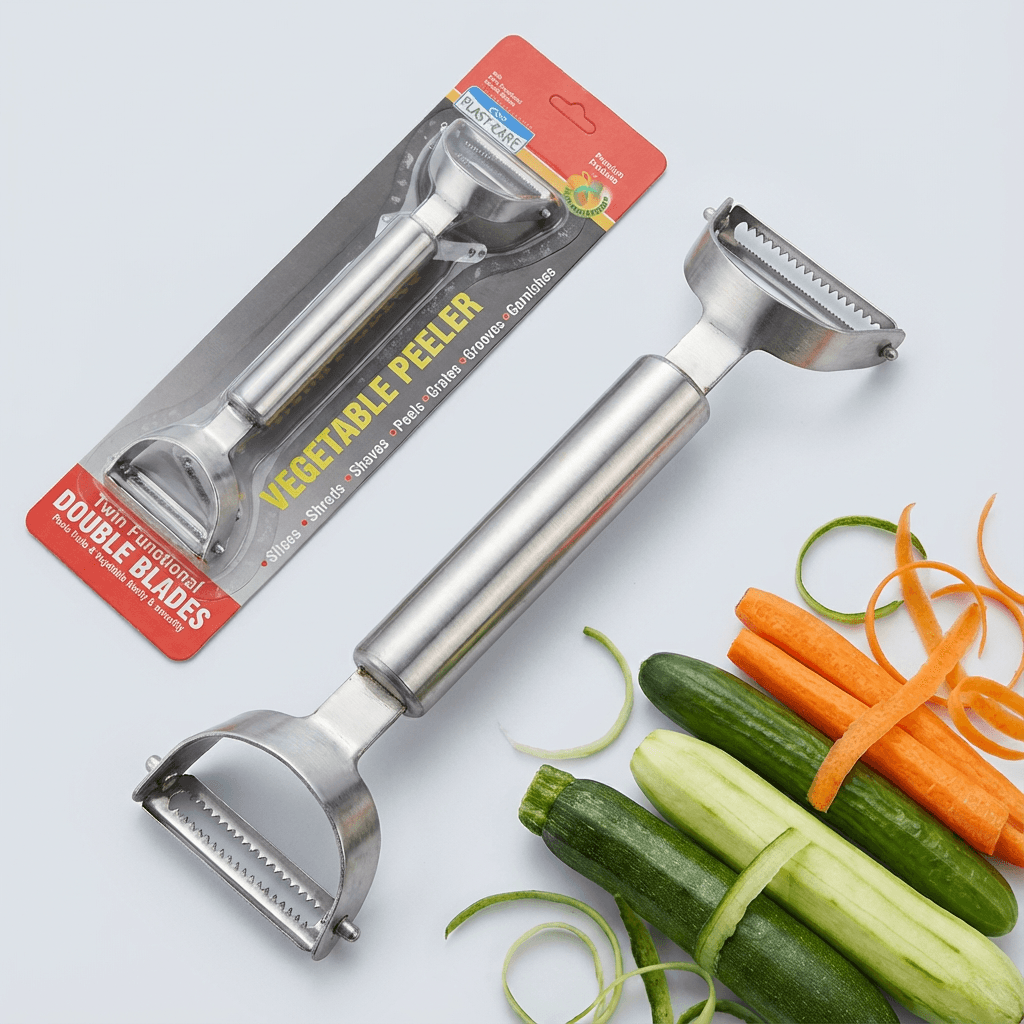
Shop the Multifunctional Vegetable PeelerStage 1: Peel everything first, in one continuous pass
Start with the Multifunctional Stainless Steel Vegetable Peeler and get through every vegetable that needs peeling before moving to any other step. Its twin double-blade design maintains contact with curved surfaces without clogging, which matters more at volume than it does peeling one or two potatoes — repeated clogging across a large batch adds up to real lost time.
Stage 2: Batch by cut style, not by vegetable type
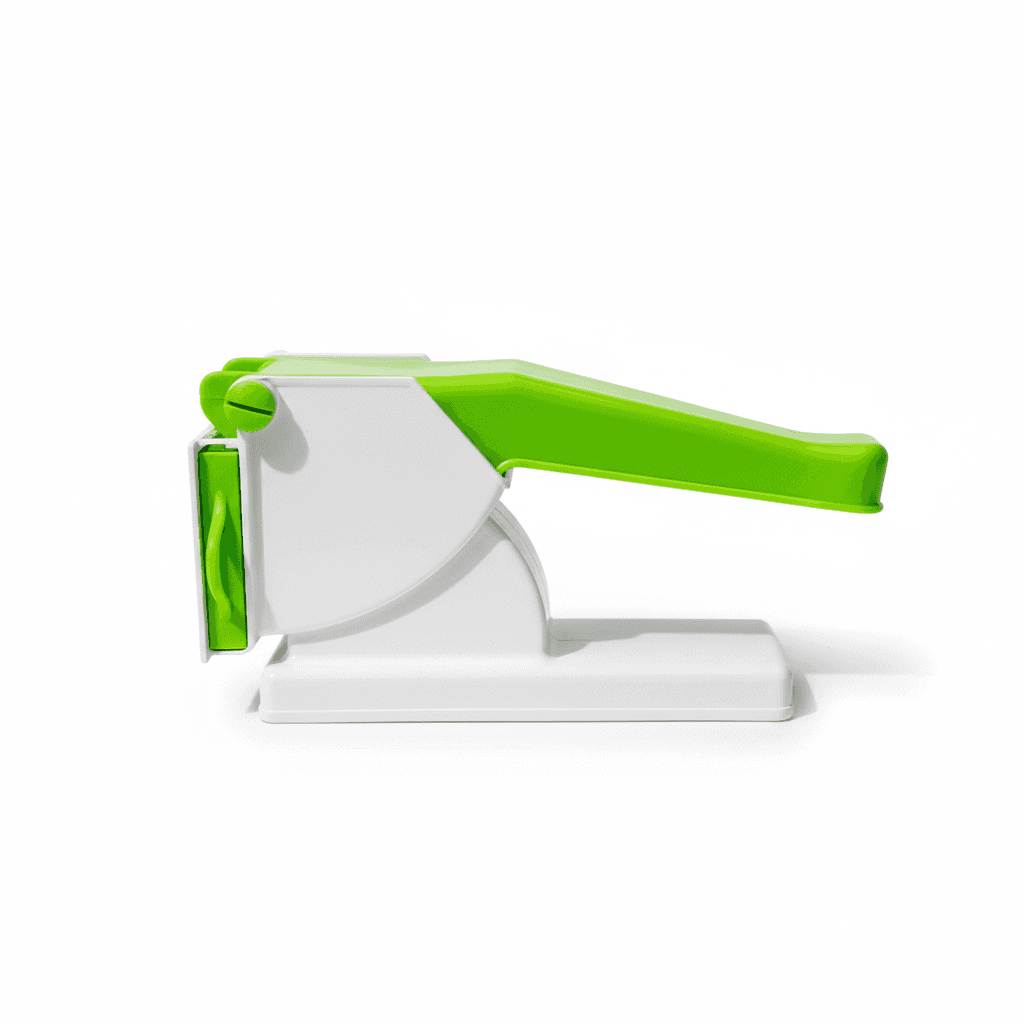
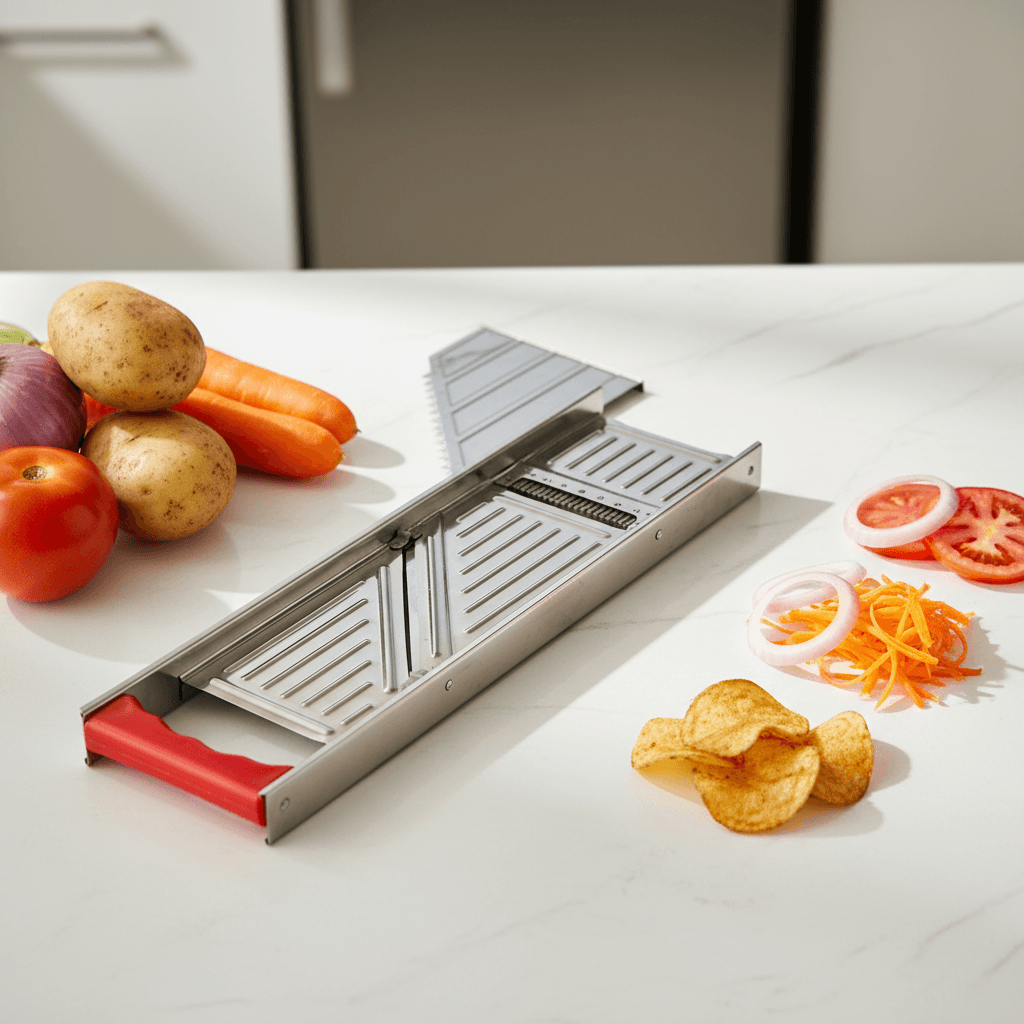
Once everything's peeled, group remaining prep by the cut style needed rather than working through one vegetable at a time. Everything needing a dice goes through the Manual Push Vegetable Chopper in one continuous run; everything needing sticks goes through the Manual Potato Cutter / French Fries Maker's grid blade next; everything needing slices or julienne shreds goes through the Multipurpose Slicer last.
This batching approach avoids the real time cost of constantly switching tools, which is a bigger factor at high volume than most people expect — each switch means a brief reset in motion and attention that adds up across dozens of repetitions.
Stage 3: Empty and reset containers proactively
At high volume, waiting until a chopper's container is completely full before emptying it usually backfires — an overfilled container chops less evenly and needs more presses per batch. Emptying proactively at moderate fullness, even though it means more total empties, produces more consistent results and is often faster overall than fighting an overloaded container.
Stage 4: Clean between major stages, not just at the end
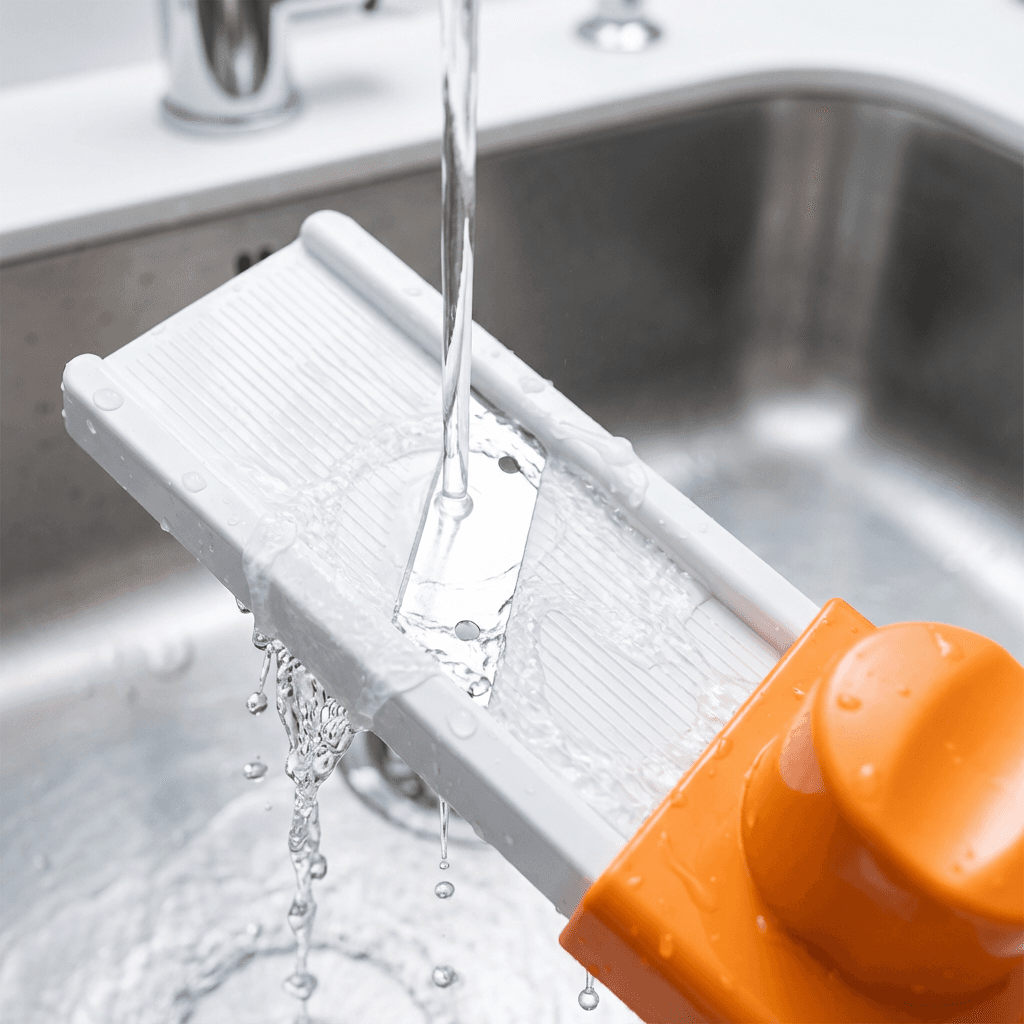
Rinsing each tool as you finish its stage — rather than letting residue sit on multiple tools until the entire prep session is done — prevents buildup that's harder to clean later and keeps blades performing consistently through a long session. This is especially relevant for enclosed blade mechanisms, where residue sitting for hours is considerably harder to fully clean out than residue rinsed within minutes.
Assign a dedicated workspace to each stage
At volume, it helps to physically separate your workspace by stage rather than working in one cramped area — a section of counter for peeling with a bowl for peels, a separate section for the chopper with its own waste bowl, and so on. This isn't just about tidiness; it prevents cross-contamination of half-processed vegetables and makes it much easier to track progress through a large batch, since you can see at a glance which stage still has vegetables waiting.
For genuinely large volumes — catering for fifty or more, for instance — it's also worth having a second set of hands work one stage behind you, so peeling for the next stage happens while you're still chopping the previous batch, rather than the whole process being strictly sequential for one person.
Managing quality consistency across a long session
Cut consistency tends to drift over a long prep session simply due to fatigue and repetition — pieces started at the beginning of a session are often more carefully sized than ones cut an hour in. Taking short breaks every 20–30 minutes, even just to stretch and reset your rhythm, measurably helps maintain consistent results through a long high-volume session compared to pushing straight through without pause.
A sample high-volume prep sequence
- 1. Peel all vegetables needing peeling — one continuous pass with the twin-blade peeler.
- 2. Dice everything needing dicing — push chopper, emptying and rinsing between full loads.
- 3. Cut everything needing sticks — grid-blade cutter, in one continuous run.
- 4. Slice or shred everything needing thin cuts — julienne slicer, last since it typically needs the least volume.
- 5. Rinse each tool immediately after its stage rather than batching cleanup to the end.