Why Manual, No-Electricity Kitchen Tools Are Making a Comeback
For a while, the general direction of kitchen tools seemed to be "more electric, more automated." Lately, that trend has been quietly reversing for a specific category: everyday prep tools like choppers, cutters, slicers and peelers. It's worth understanding why, because the reasons are practical rather than sentimental.
Ready to shop this guide?
Shop the Manual Push Vegetable ChopperSmaller kitchens, less appliance space
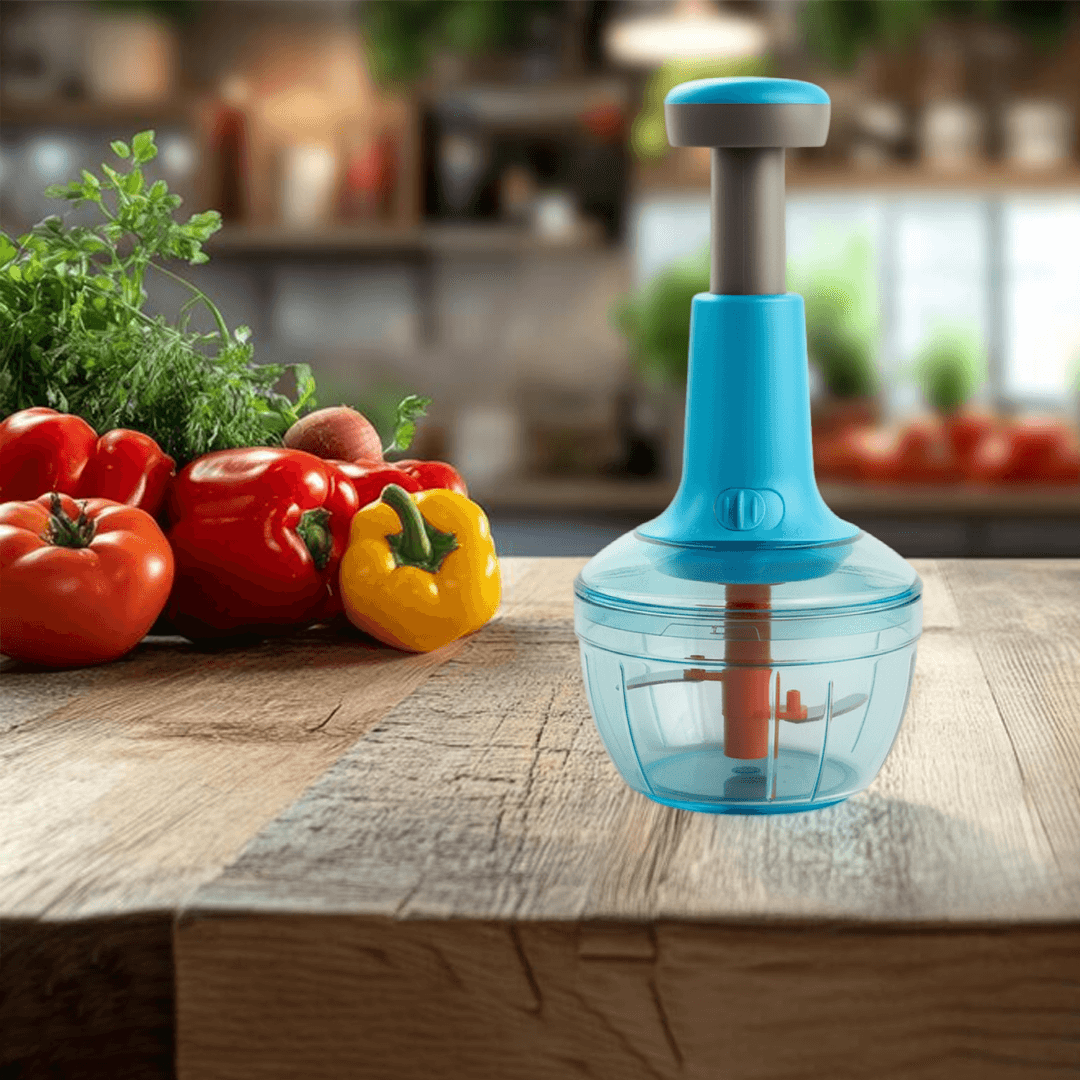
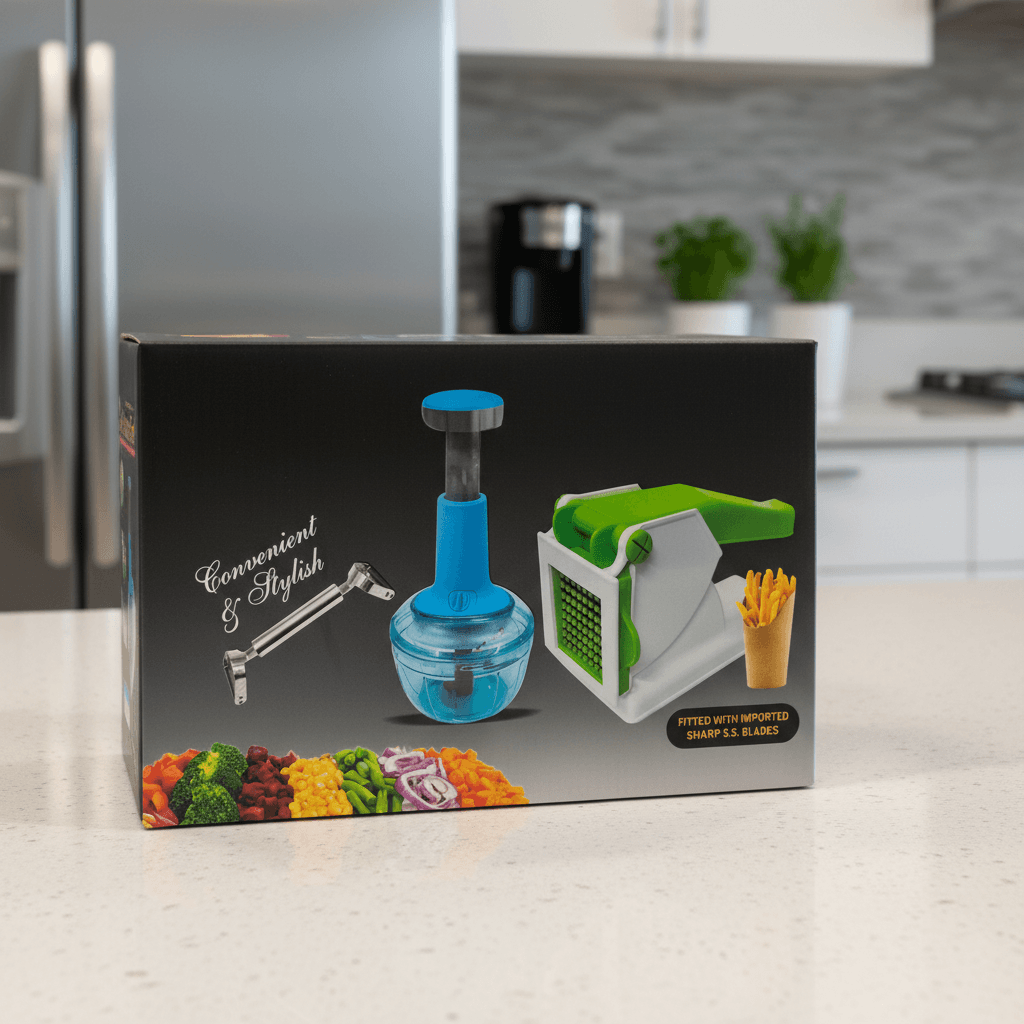
As urban kitchens get smaller, the calculus around a countertop appliance changes. A food processor takes permanent counter or cabinet space, has a cord that needs a nearby socket, and comes with multiple parts to store and wash. A manual chopper like the Manual Push Vegetable Chopper does one job well, stores in a drawer, and has no cord or socket requirement at all — a meaningful difference in a compact kitchen.
Less to clean, less to maintain
Electric appliances generally come with more components — blades, bowls, motor housings — each needing separate cleaning and careful handling around electrical parts. A manual tool's simplicity is a genuine advantage here: fewer parts, no motor to worry about, and no risk of water near electrical components during cleaning.
Reliability that doesn't depend on a power source
In regions where power supply isn't always guaranteed, a tool that works without electricity has an obvious practical edge. Even where power is reliable, there's something to be said for a tool that simply always works, with no motor that can fail or battery that needs charging.
A shift toward single-purpose tools done well
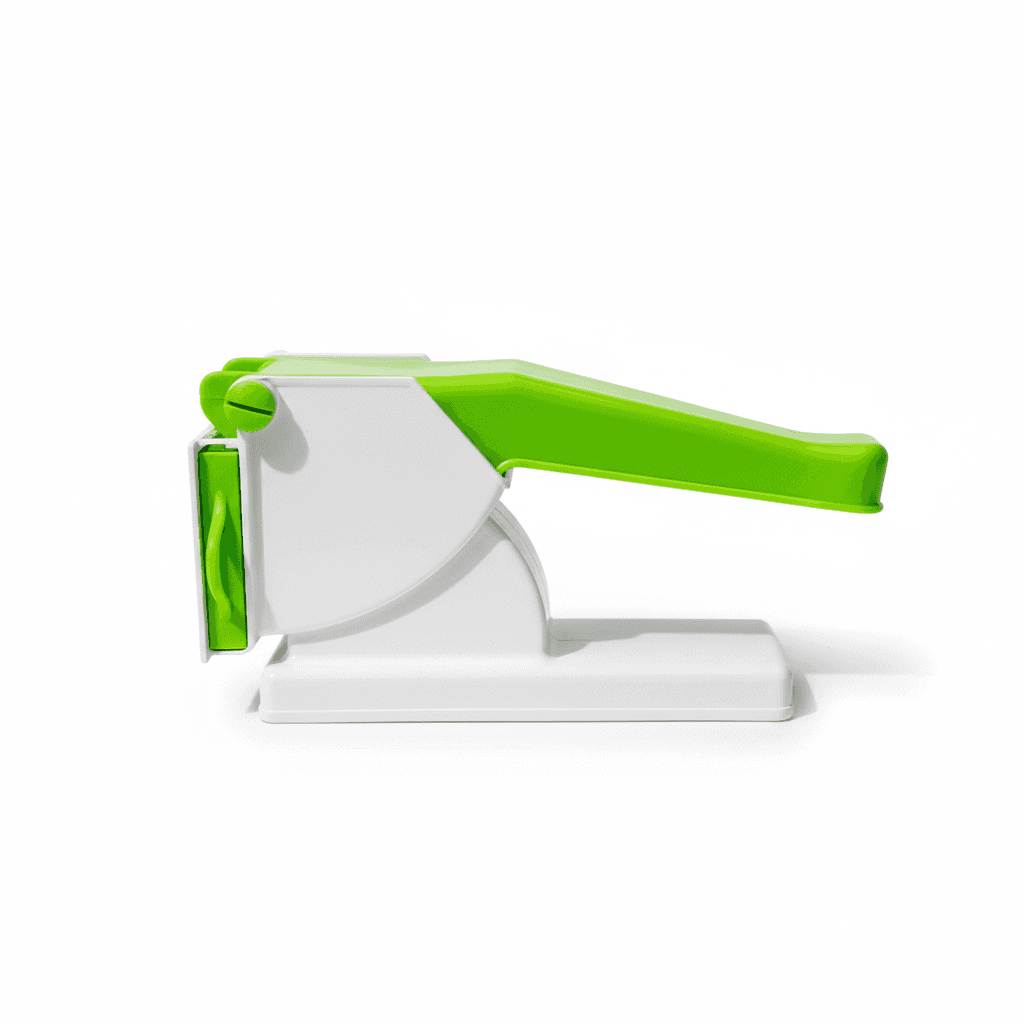
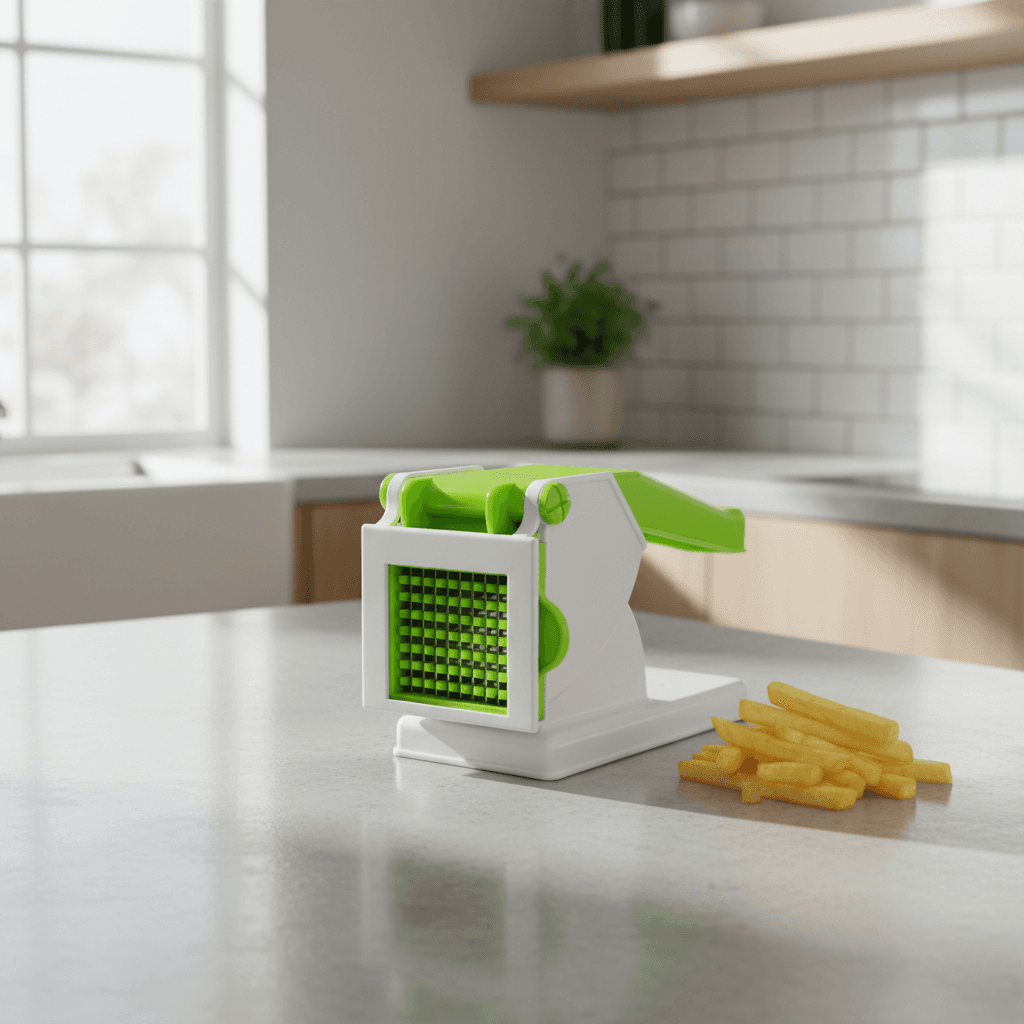
There's a broader pattern here beyond kitchens specifically — a preference for tools that do one job very well over multi-function devices that do several jobs adequately. A dedicated grid-blade cutter for French fries, or a dedicated slicer with a julienne blade, tends to outperform a single "do-everything" electric device at each individual task, even if it means owning a couple of specialized tools instead of one general one.
Lower upfront cost lowers the barrier to trying new tools
Because individual manual tools are typically far less expensive than a comparable electric appliance, there's less financial hesitation involved in trying a specialized tool to see if it fits your cooking style. Someone curious about whether a dedicated julienne slicer would actually get used regularly can find out for a fraction of the cost and commitment of a multi-attachment electric food processor, which lowers the barrier to building out a well-suited toolkit through trial rather than a single large upfront decision.
Durability that outlasts appliance upgrade cycles
Electric appliances tend to follow an upgrade cycle — a motor wears out, a newer model adds a feature, and the old one gets replaced well before it's truly unusable. Manual tools built from stainless steel don't really have an equivalent cycle; there's no motor to wear out and no software or feature set to become outdated. A well-maintained manual chopper or peeler can reasonably be expected to perform the same on day one and several years in, which is a genuinely different ownership experience from appliance-based kitchen tools.
A more considered approach to kitchen purchases generally
This shift also reflects a broader change in how people think about kitchen purchases — less about acquiring an impressive-looking appliance and more about whether a tool solves a specific, recurring problem well. Manual tools, being simpler and typically less expensive individually, fit naturally into this more deliberate approach, where each purchase is decided based on an identified need rather than general appeal.
What this means for how kitchens are being equipped
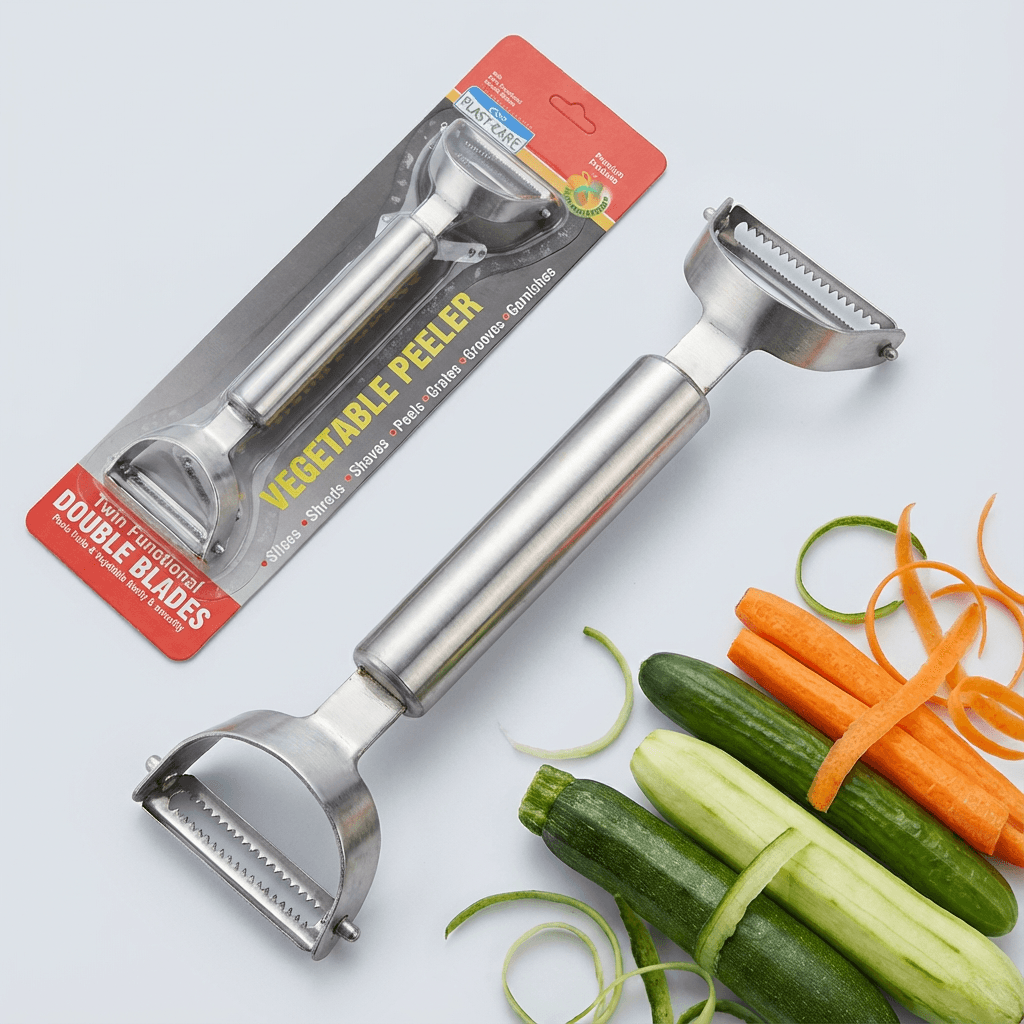
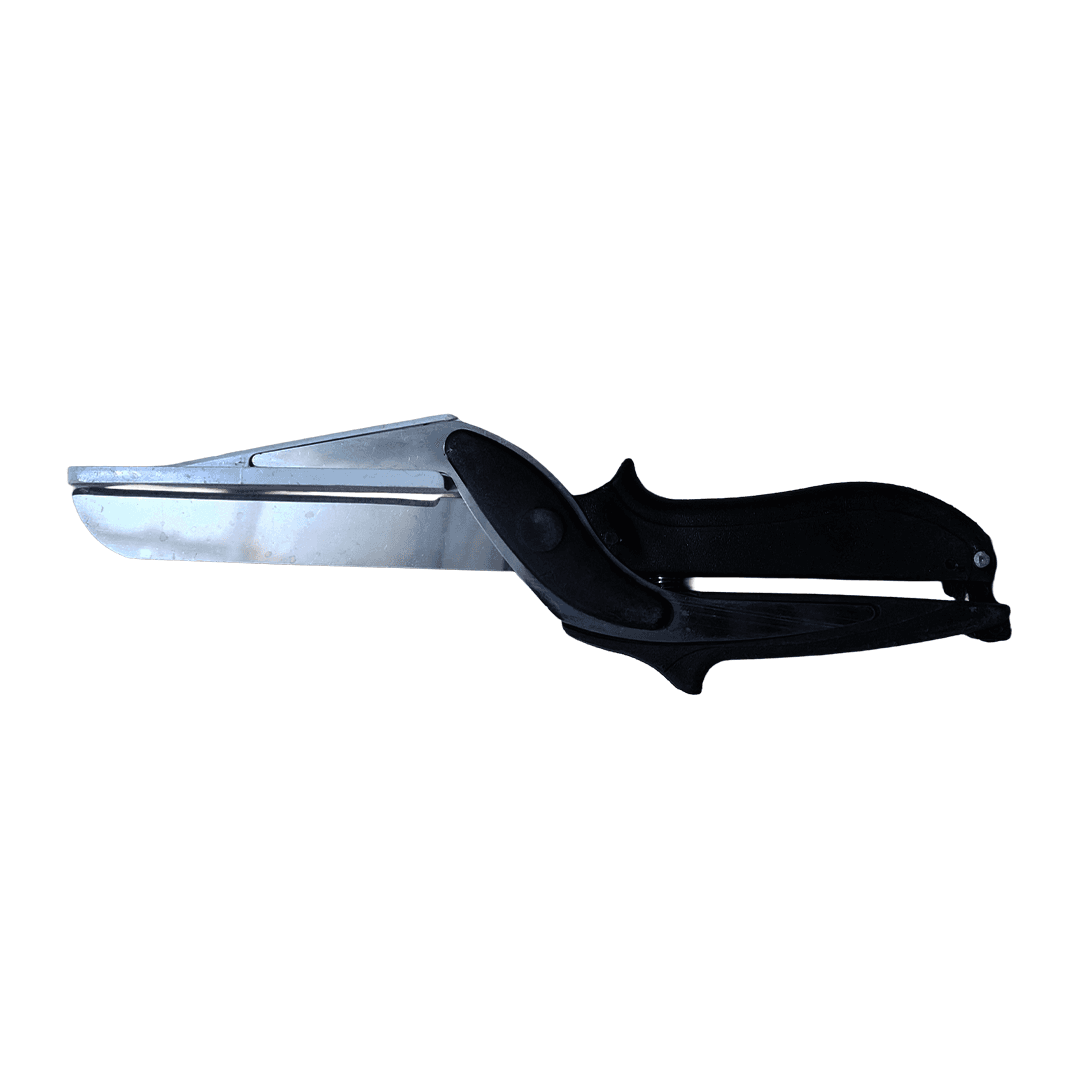
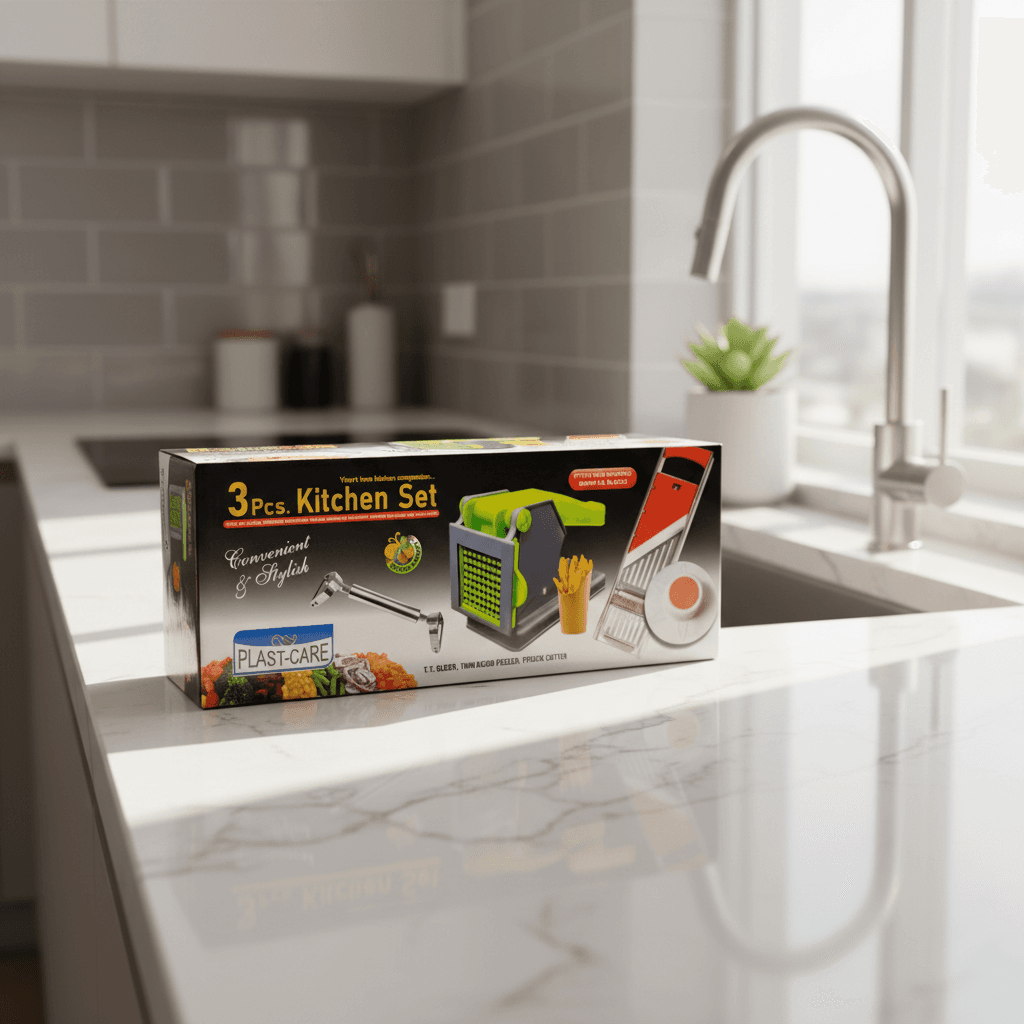
The practical result is kitchens built around a small collection of well-chosen manual tools — a chopper, a peeler, a slicer, maybe a grid cutter — rather than a single large electric appliance meant to replace all of them. It's a more modular approach: each tool is inexpensive and specific enough that adding or replacing one doesn't feel like a major decision, unlike investing in and maintaining one expensive multi-function machine.