A Professional's Guide to Manual Prep Tools for Small Food Businesses
A home kitchen and a small food business have different requirements for the same category of tool — a juice stall or small eatery uses a manual tool dozens of times a day rather than a handful of times a week, which changes what actually matters: speed, safety, and how well a tool holds up under repeated use, not just whether it works well once.
Ready to shop this guide?
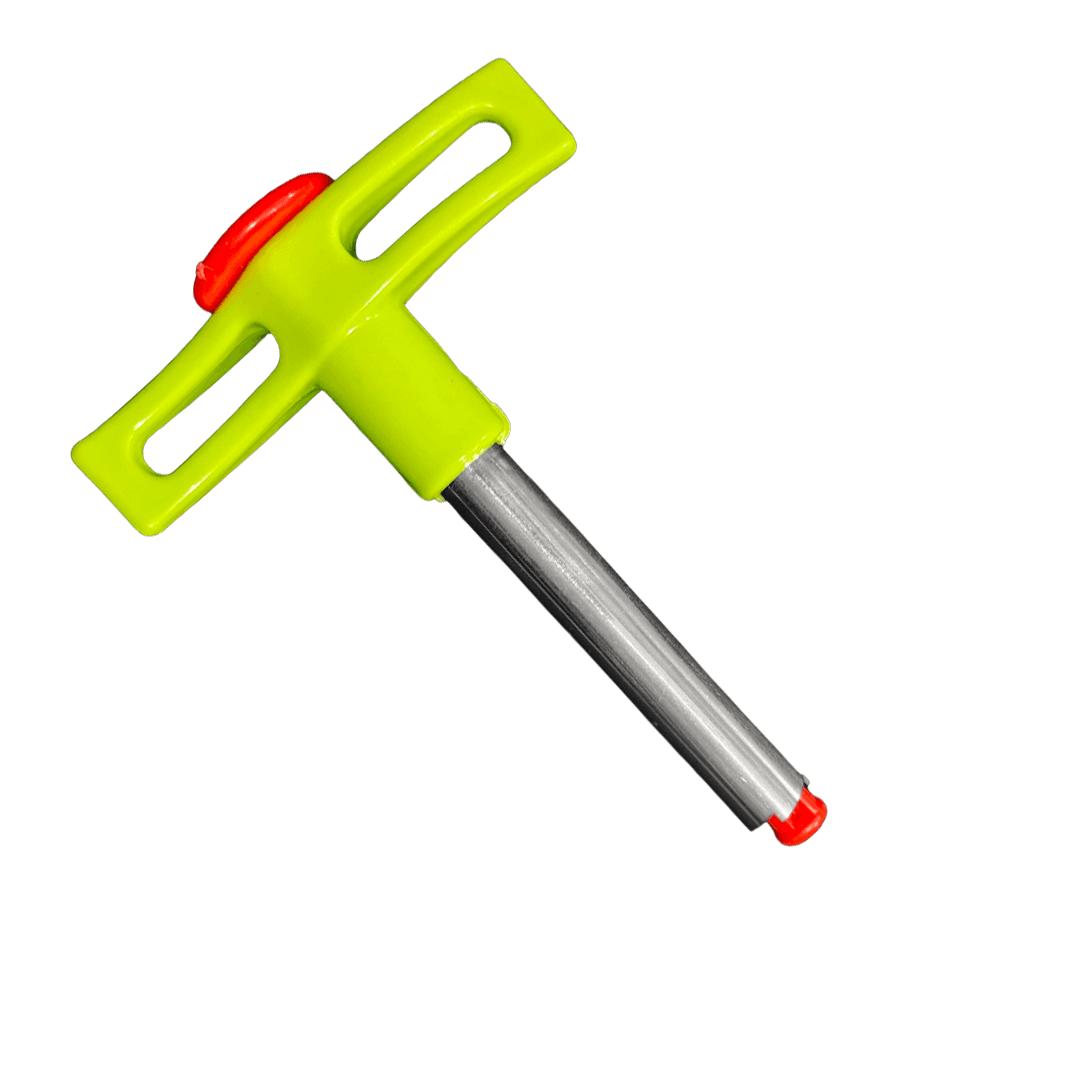
Shop the Coconut Opener & Water ExtractorThe coconut opener: built with exactly this use case in mind
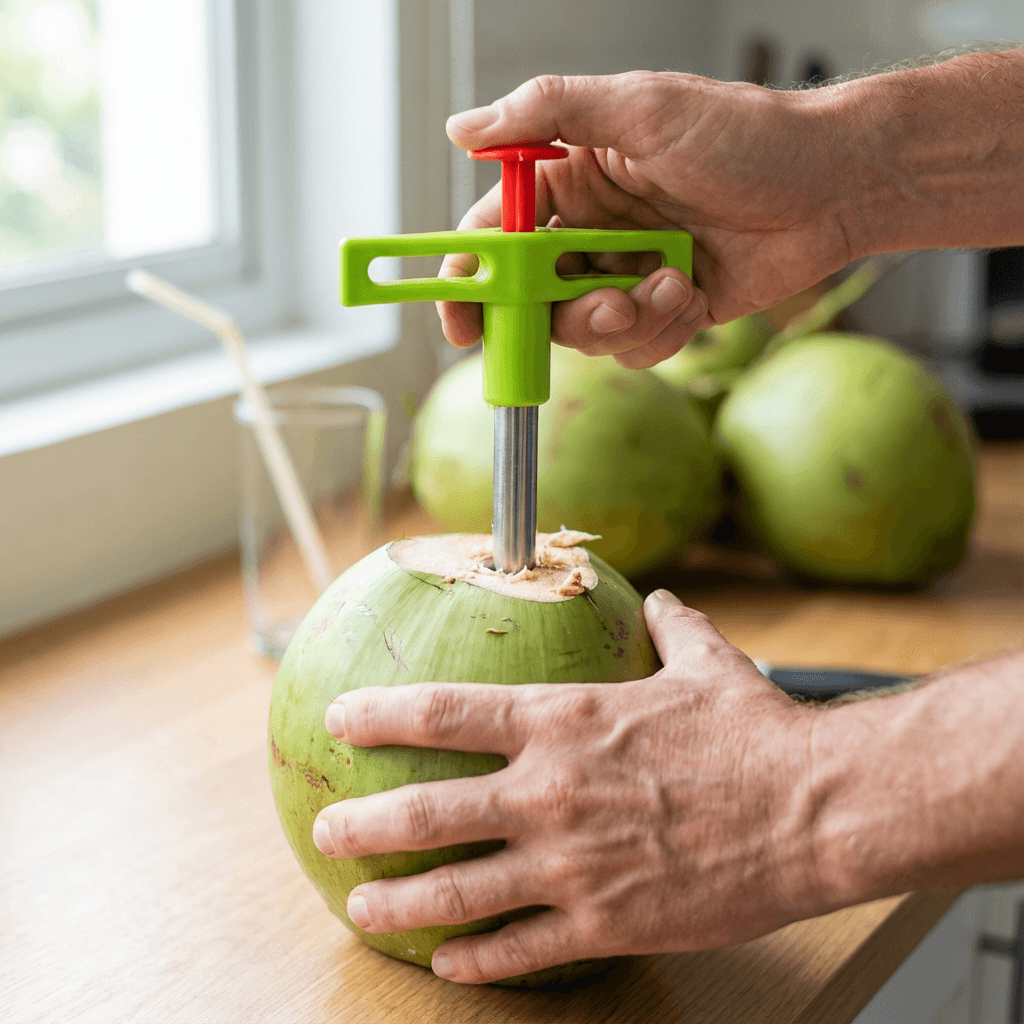
The Coconut Opener & Water Extractor is explicitly designed for repeated use in settings like juice stalls, using a push-and-twist action that opens a coconut cleanly without needing a knife or heavy cleaver. For a business serving fresh coconut water regularly, this matters for two reasons: speed (a consistent, quick motion rather than a knife technique that varies operator to operator), and safety (significantly lower injury risk than a blade-based opening method used dozens of times a day).
High-volume dry fruit prep for sweet shops or catering
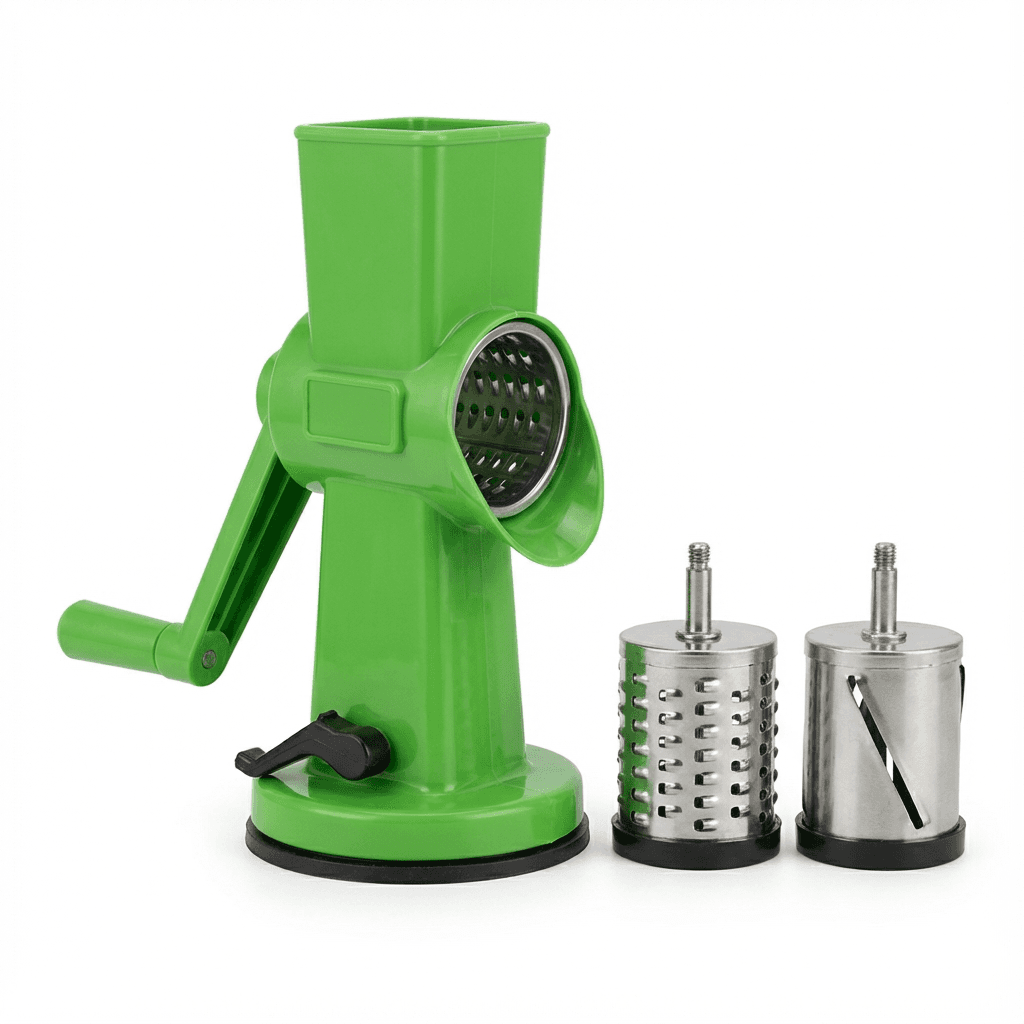
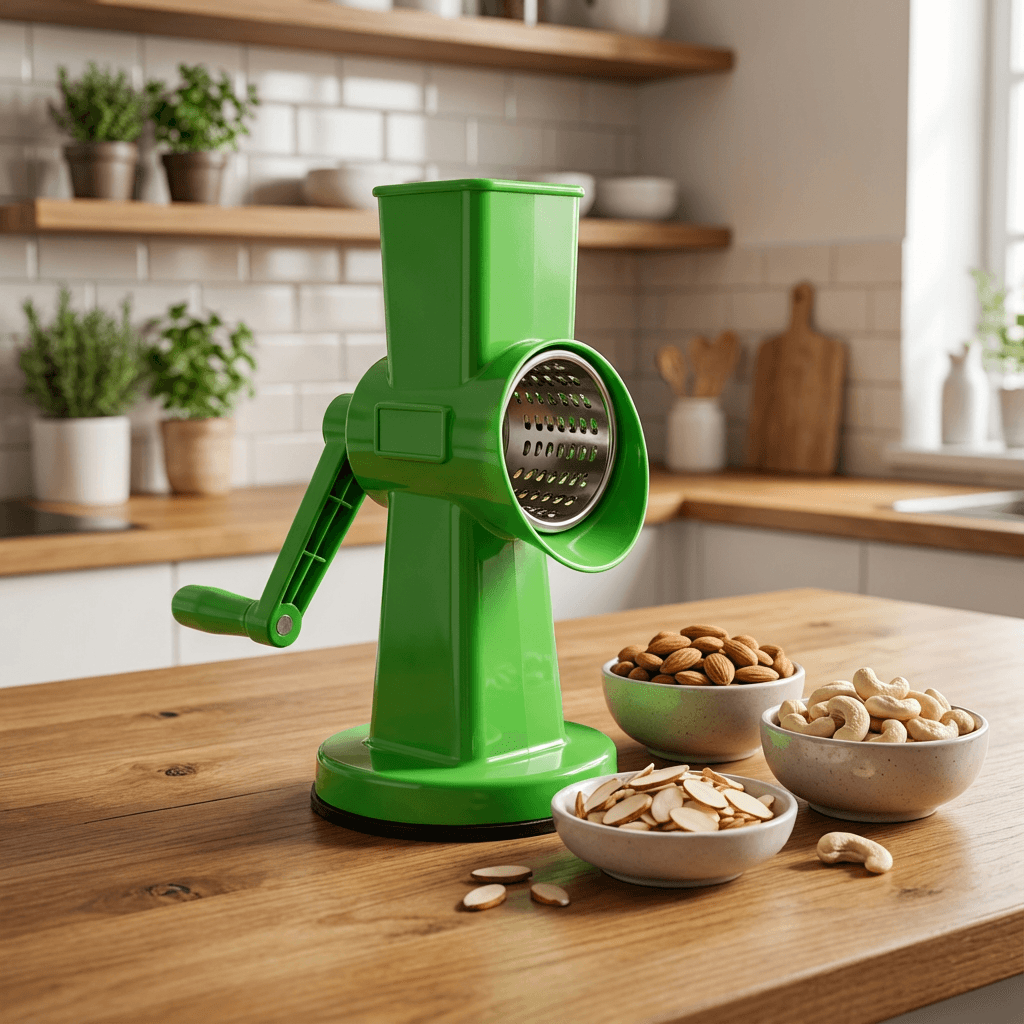
For a business preparing garnishes or dry fruit-based sweets at real volume, the Nut & Dry Fruit Cutter with Slicer's vacuum base and wide hopper are built for exactly this kind of repeated, continuous-feed cutting session — the stability that's a nice-to-have at home becomes a real operational advantage when you're cutting for hours rather than minutes.
Serving and frying tools for a busy counter
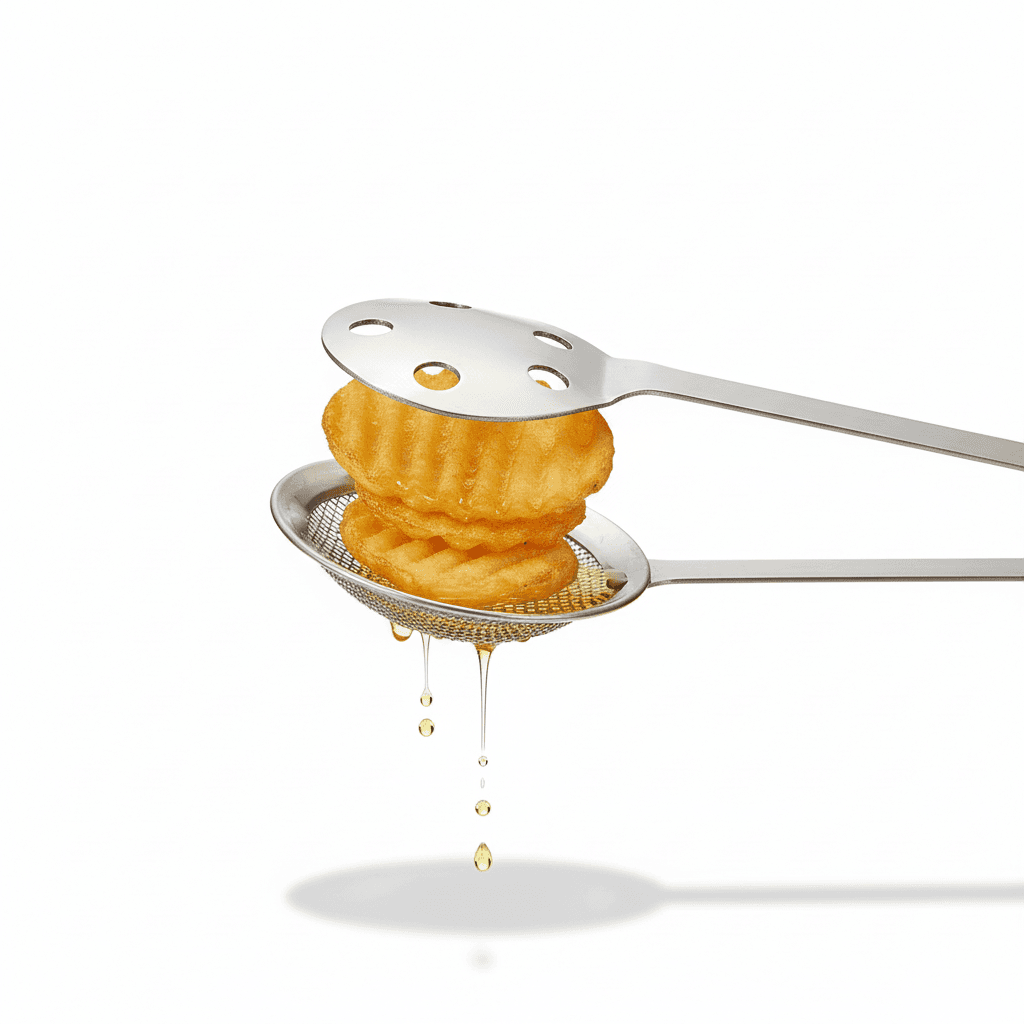
For any small business frying and serving snacks — pakoras, cutlets, fritters — the Stainless Steel Serving Tong with Oil Strainer Spoon reduces the number of separate tools an operator needs to manage during a busy service window, which is a genuine efficiency gain when orders are coming in continuously rather than one at a time.
Budgeting for tool turnover in a business setting
A tool used dozens of times a day will naturally reach the end of its useful life faster than the same tool in a home kitchen, and planning for that turnover is part of running a small food business sensibly. Rather than treating a worn tool as an unexpected cost, budgeting for periodic replacement of the highest-use items — typically whichever tool handles your single most repeated task — keeps service consistent and avoids the disruption of a tool failing mid-shift.
Keeping a backup on hand for your highest-use tool
For whichever single tool sees the most repetitions in your daily operation — often the coconut opener at a juice stall, or the serving tong at a snack counter — keeping a spare on hand is worth the modest additional cost. A single point of failure on your busiest tool during peak service hours is a bigger operational risk in a business setting than it would be at home, where a short delay to clean or fix a tool is rarely a real problem.
Training staff on consistent technique
One underrated advantage of manual tools with a fixed, repeatable motion — like the coconut opener's push-and-twist action — is how much easier they are to train new staff on compared to a knife-based technique that varies by skill and experience. A consistent tool motion means a new team member can reach acceptable speed and safety much faster than they would learning to open coconuts with a blade, which matters in a business where staff turnover is common.
What to prioritize for commercial-adjacent use
- Stability under repeated use — vacuum-base and wide-footprint tools hold up better to continuous operation than lighter, occasional-use designs.
- Speed of the core motion — a consistent push-and-twist or press action performs more predictably across many repetitions than a variable knife technique.
- Ease of cleaning between batches — tools that disassemble quickly for a mid-shift rinse keep hygiene standards up without slowing service.
- Operator safety — enclosed blade designs reduce injury risk meaningfully when a tool is used dozens of times daily rather than occasionally.