Common Mistakes People Make When Using a Manual Vegetable Chopper
Most frustration with manual choppers doesn't come from the tool itself — it comes from a handful of habits that quietly work against it. Here are the mistakes we see most often, and the simple adjustment that fixes each one.
Ready to shop this guide?
Shop the Manual Push Vegetable ChopperMistake 1: Overfilling the container
Packing the container as full as physically possible seems efficient, but it usually backfires — the blade can't move vegetables around freely, leading to uneven chop sizes and requiring more presses overall than doing it in two moderate batches instead of one overloaded one.
Mistake 2: Not pre-cutting large vegetables
Trying to fit a whole onion or a large tomato into the chopper without any preliminary cutting forces the blade to work much harder than it needs to. Quartering or halving larger vegetables first lets the chopper process them more evenly and with noticeably less effort per press.
Mistake 3: Skipping disassembly during cleaning
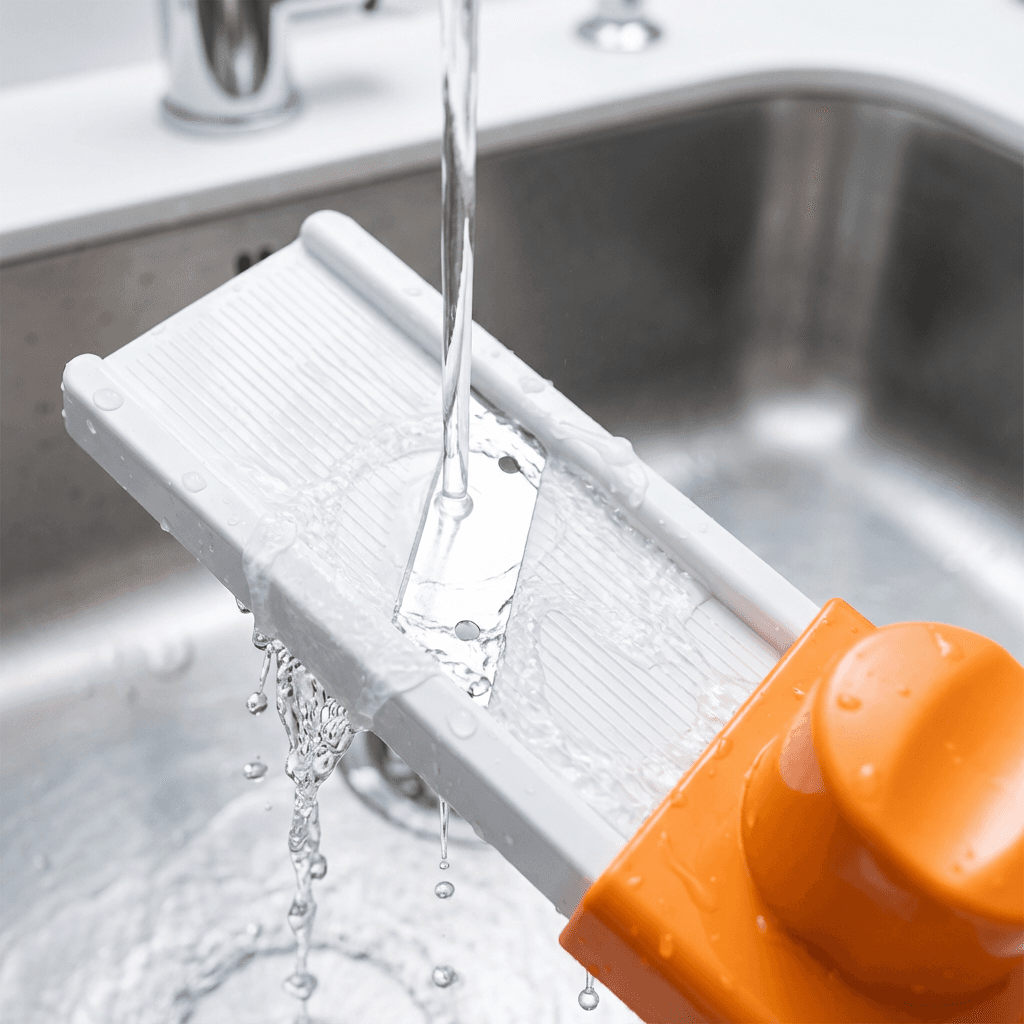
Rinsing a chopper as one assembled unit, rather than taking it apart, is the single biggest reason people report a chopper "getting stiffer" or starting to smell over time. Residue collects around the blade's pivot point specifically because that area doesn't get properly rinsed when the tool stays assembled.
Mistake 4: Forcing a stiff mechanism instead of cleaning it
When a chopper starts feeling harder to press, the instinct is often to push harder rather than stop and investigate. This risks misaligning the internal blade assembly. The right response is almost always to disassemble and clean around the pivot point first — that resolves the vast majority of stiffness complaints.
Mistake 5: Using it for tasks it isn't built for
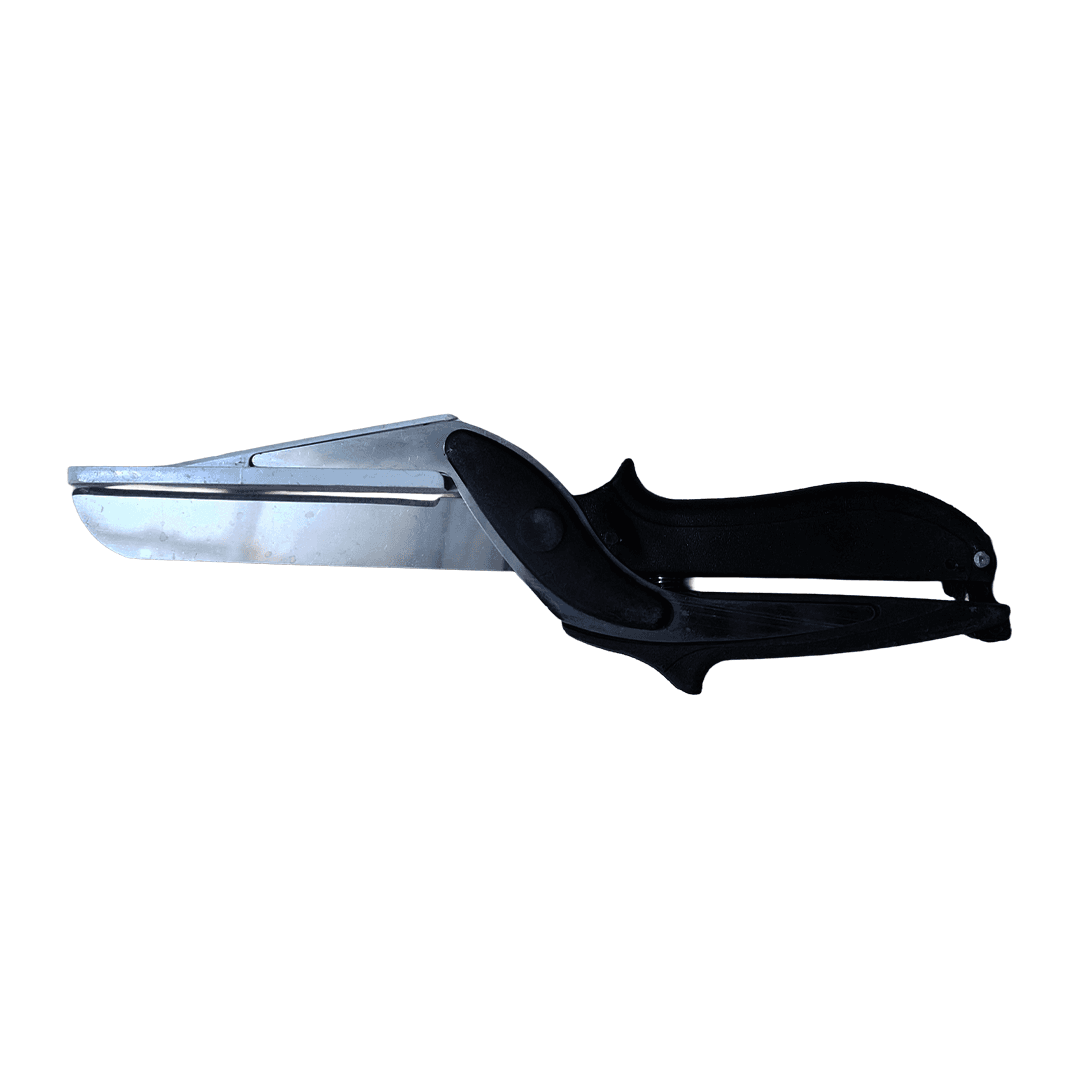
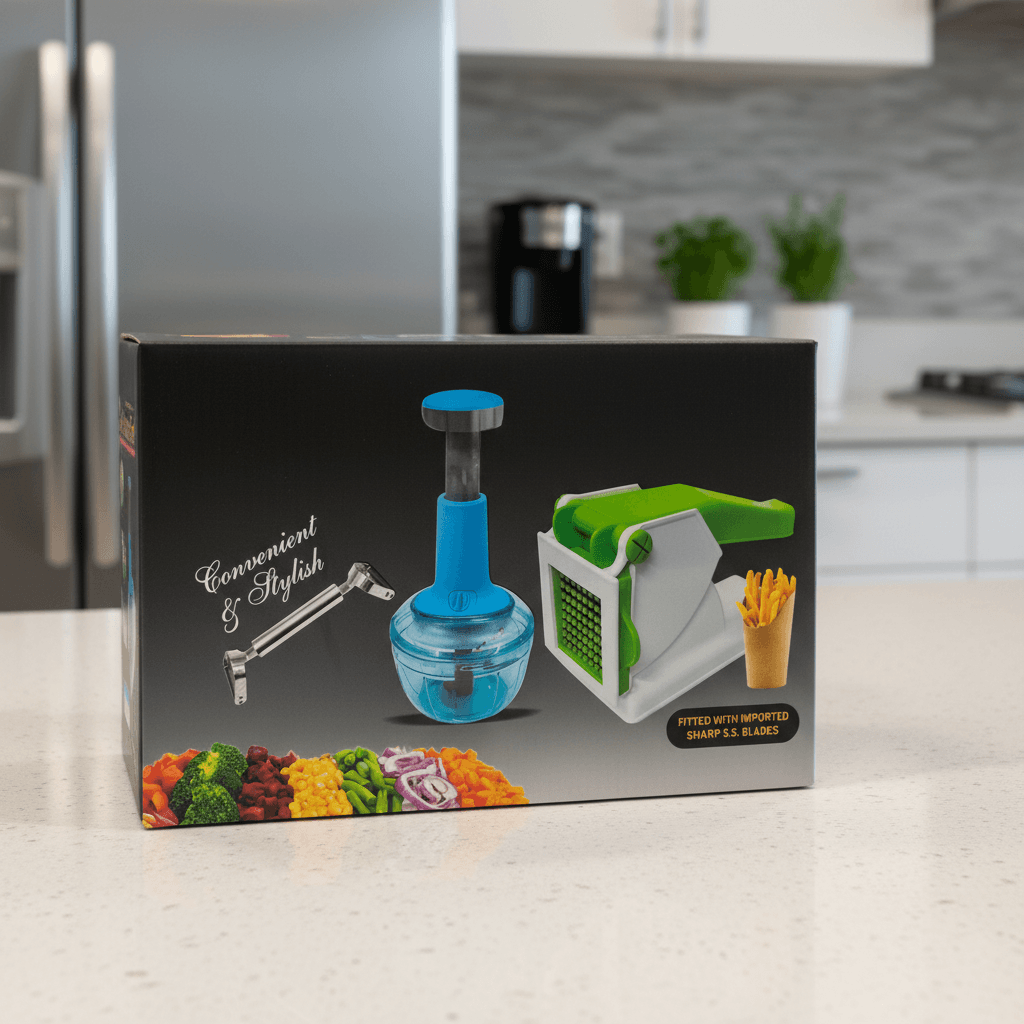
A push chopper is built for dicing — it's not the right tool for thin, even slices (a job for a flat slicer) or long uniform sticks (a job for a grid-blade cutter). Trying to force one tool to do a job it wasn't designed for usually produces worse results than just using the tool actually built for that cut style.
Mistake 6: Storing it assembled and still slightly wet
Putting a chopper away in a drawer while the blade assembly is still damp is a common habit that quietly shortens its useful life. Trapped moisture in an enclosed, assembled unit is exactly the condition that leads to the beginnings of corrosion or a musty smell developing over time, even with stainless steel construction. Drying fully before storing, and ideally storing the pieces loosely rather than tightly reassembled, avoids this.
Mistake 7: Ignoring the container's fill-line guidance
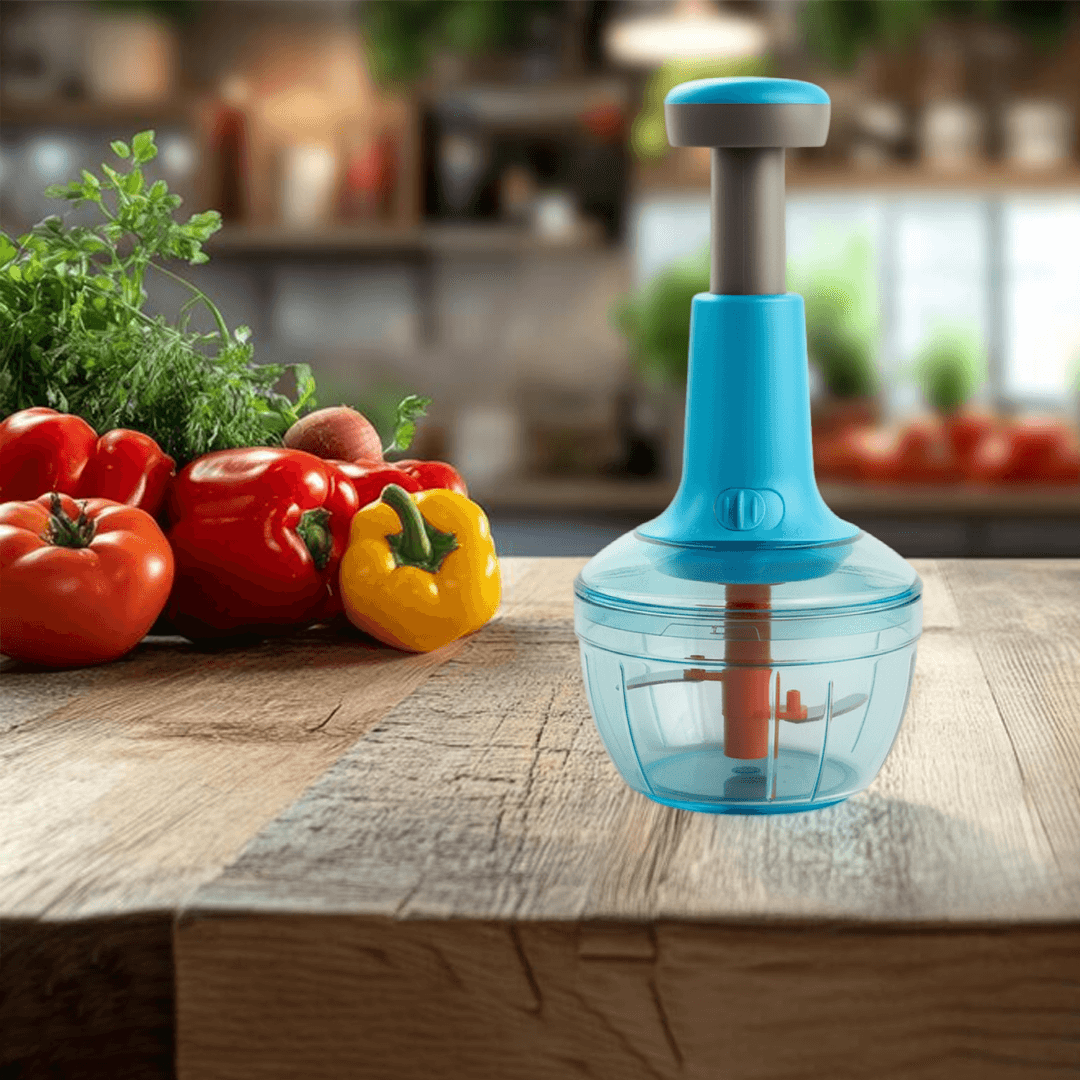
Many choppers have a visible maximum fill level on the transparent container, and it's easy to treat this as a rough suggestion rather than a real guideline. Filling meaningfully past that line is one of the more direct causes of uneven chopping and unnecessary strain on the mechanism, since it was calibrated with a specific volume in mind for even blade movement.
Mistake 8: Chopping ingredients the tool isn't suited for
Very hard items like whole spices, ice, or frozen food aren't what a vegetable chopper's blade and mechanism are designed to handle, and forcing them through can damage the internal blade assembly or its pivot point. Sticking to fresh vegetables, herbs and similarly textured produce keeps the tool operating within the range it was actually built for, and avoids the kind of mechanical strain that no amount of careful technique can fully offset.
Quick fixes at a glance
- Overfilled container → process in two moderate batches instead of one full one.
- Whole vegetables loaded directly → quarter or halve larger items first.
- Stiff mechanism → disassemble and clean the pivot point rather than forcing it.
- Wrong cut style needed → switch to a slicer or grid cutter rather than forcing the chopper.