Maintenance Tips for Manual Choppers and Slicers with Rotating Blades
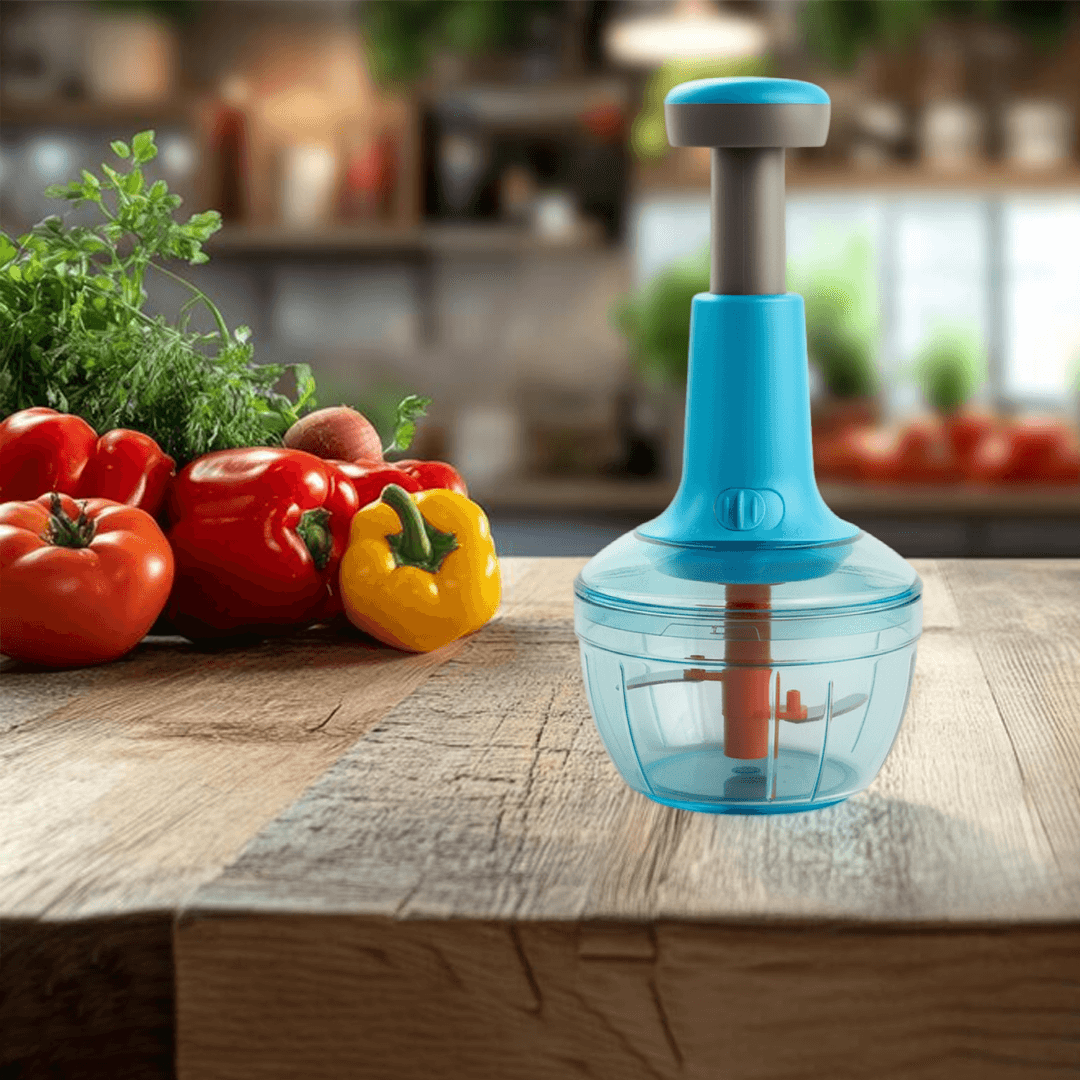
Tools like the Manual Push Vegetable Chopper and the Nut & Dry Fruit Cutter with Slicer use enclosed or rotating blade mechanisms rather than an exposed edge you'd sharpen like a knife. That changes what "maintenance" actually means for them — it's less about sharpening and more about keeping the mechanism free of residue and moving smoothly.
Ready to shop this guide?
Shop the Manual Push Vegetable ChopperDisassemble fully after every real use
Most enclosed choppers and slicers are designed to come apart into their component pieces — container, lid, blade unit — specifically so they can be cleaned thoroughly rather than just rinsed on the outside. Skipping full disassembly regularly is the most common reason these tools start to smell, stain, or feel gritty around the blade housing over time.
For the push chopper specifically, separating the container from the blade assembly lets you rinse both the transparent bowl and the rotating blade mechanism independently, reaching the areas a quick under-the-tap rinse would miss.
Watch for fibrous residue buildup
Vegetables like onions, capsicum and herbs can leave fine fibrous residue wrapped around a rotating blade's pivot point after repeated use. This is the most common cause of a chopper mechanism starting to feel stiffer than it did when new — not blade dulling, but residue physically restricting the rotation.
A quick check and clean around the pivot point every few uses prevents this from building up to the point where it noticeably affects performance.
Don't force a stiff mechanism
If a rotating blade starts feeling harder to press than usual, the right response is to stop, disassemble, and clean it — not to push harder. Forcing a stiff mechanism risks bending or misaligning the internal blade assembly, which is a much more serious problem than the residue buildup that likely caused the stiffness in the first place.
Vacuum-base and crank mechanisms need attention too
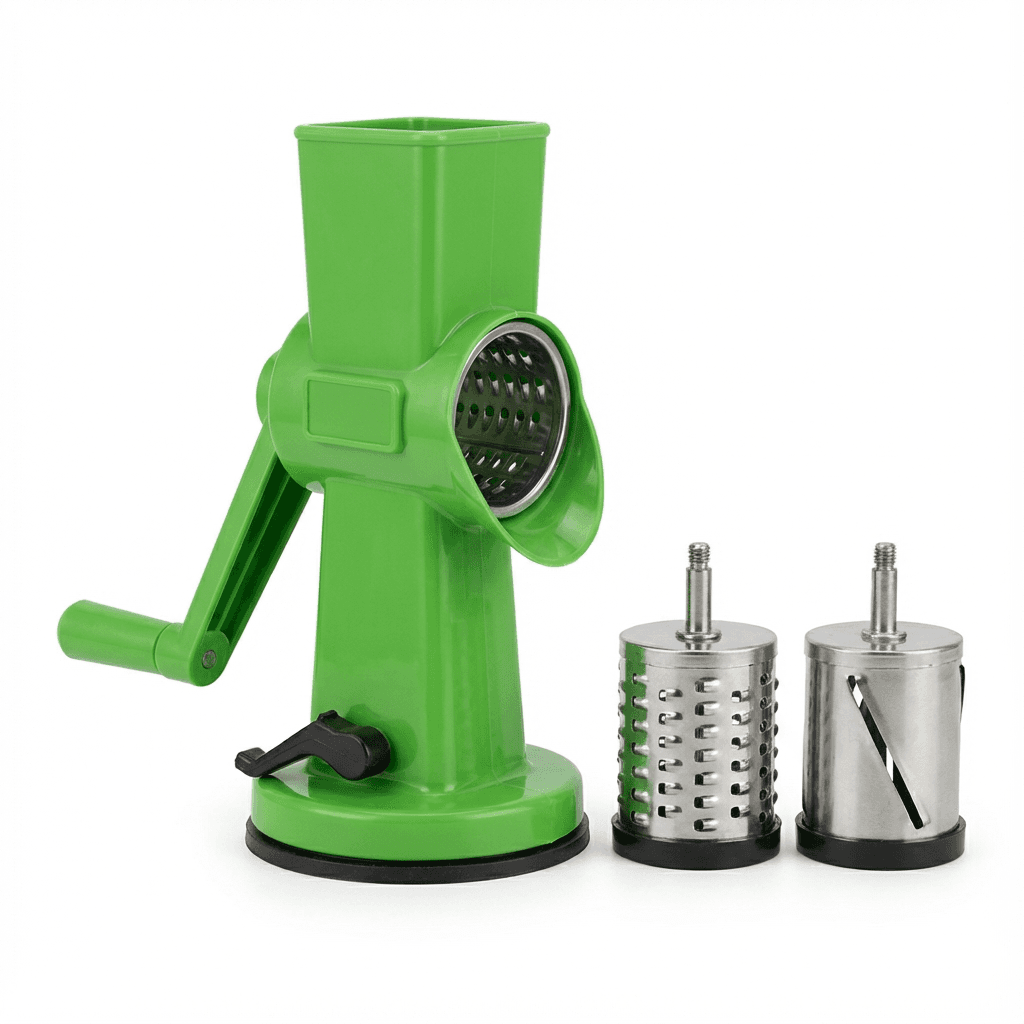
The Nut & Dry Fruit Cutter with Slicer uses a rotating handle over a drum blade rather than a push mechanism, but the same principle applies — the enclosed cutting area should be disassembled and cleaned regularly, particularly since dry fruit residue and natural oils from nuts can build up differently than vegetable residue does.
The vacuum base itself also benefits from an occasional wipe-down — a base that's picked up kitchen grease or residue won't grip the countertop as firmly as a clean one, reducing the stability advantage that's the entire point of that design.
Julienne and multi-blade slicers have extra edges to track
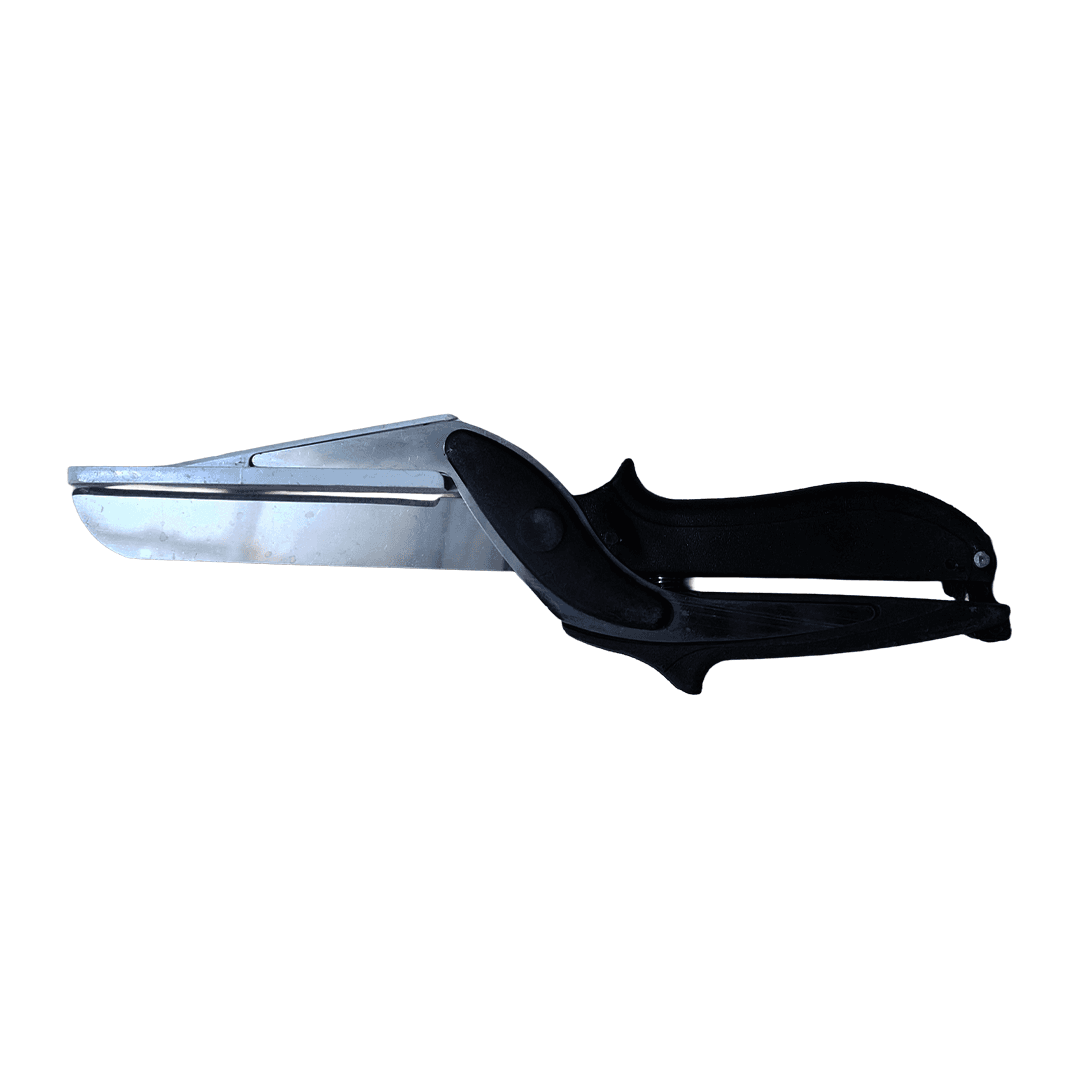
The Multipurpose Stainless Steel Slicer with Holder & Julienne Blade has more than one cutting edge built into a single unit, which means more surface area to check during cleaning compared to a single-blade tool. Residue can hide in the gap between the straight slicing edge and the julienne blade specifically, so it's worth checking that seam directly rather than assuming a general rinse has reached it.
The safety holder that comes with this slicer also benefits from regular cleaning, since it's handled directly during use and can accumulate grip residue over time that makes it feel less secure than it should.
Recognizing genuine wear versus a maintenance issue
It's useful to distinguish between a mechanism that's stiff because of residue (fixable with cleaning) and one that's genuinely worn from years of use (not fixable with cleaning). If a thorough clean doesn't restore smooth movement, or if cutting performance has dropped despite the blade looking undamaged, that's usually a sign of genuine wear on the internal mechanism rather than something a better cleaning routine will resolve.
A simple maintenance checklist
- Disassemble fully after use — don't rely on rinsing the outside only.
- Check pivot points and blade housings for fibrous residue every few uses.
- Stop and clean at the first sign of a mechanism feeling stiffer than usual.
- Wipe down vacuum bases periodically to maintain grip strength.
- Dry all parts fully before reassembling and storing.